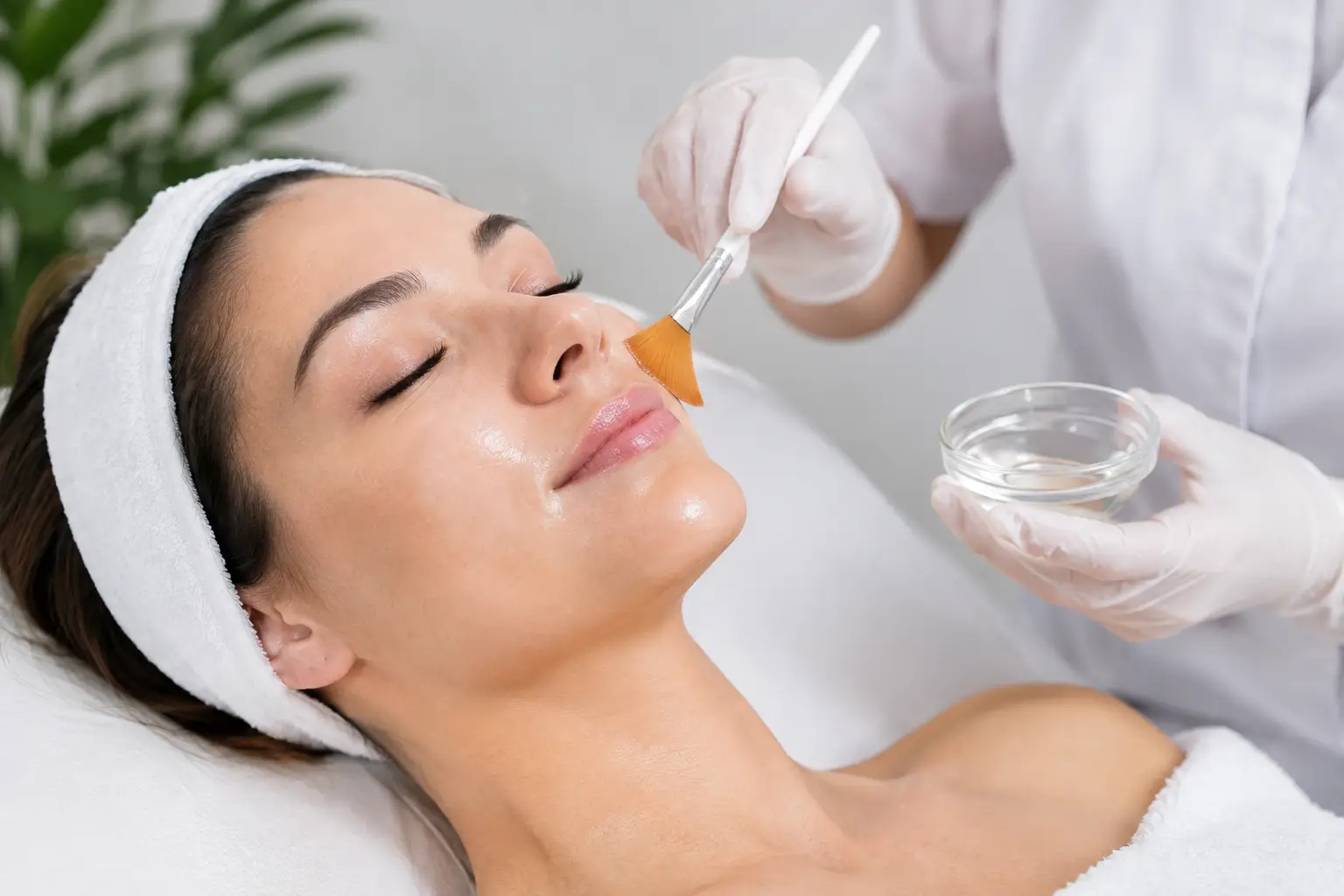
A chemical peel can sound intimidating until you understand what the treatment is designed to do. This chemical peel review looks past before-and-after promises to explain the real decision points: what concerns peels may improve, how much recovery to expect, and why the right peel depends on your skin type, goals, and schedule.
Chemical peels use a carefully selected solution to exfoliate the skin at a controlled depth. As the treated skin renews itself, many patients notice a smoother texture, brighter appearance, and more even-looking tone. Results can be meaningful, but a peel is not a one-size-fits-all facial. The solution, strength, number of treatments, preparation, and aftercare all influence the outcome.
What a Chemical Peel Can Help Improve
Professional chemical peels are often considered for concerns that linger despite a consistent at-home skin care routine. They may help improve dullness, rough texture, mild discoloration, acne-related congestion, fine lines, and the appearance of some sun damage. For patients bothered by uneven tone after breakouts, a peel may be one part of a broader skin care plan.
The key word is “may.” A peel can refresh the skin’s surface, but it cannot erase every scar, tighten significant loose skin, or replace medical treatment for active inflammatory skin conditions. Deep acne scars, pronounced wrinkles, and certain pigment concerns may respond better to a different approach or a combination of treatments.
San Antonio’s bright sun and year-round outdoor lifestyle can also affect how patients plan skin treatments. Sun exposure can worsen discoloration and interfere with healing, so a provider may recommend scheduling a peel when you can be especially diligent with sun protection.
Chemical Peel Review: Understanding Treatment Levels
The most helpful way to evaluate a chemical peel is by its depth. More intensity does not automatically mean better results. It usually means more downtime and a greater need for careful screening and aftercare.
Light peels
Light or superficial peels work on the outermost layer of skin. They are commonly used to support a brighter, smoother complexion and may be helpful for mild texture concerns, minor breakouts, or uneven tone. Patients often experience temporary dryness, tightness, flaking, or mild peeling over several days.
These treatments generally fit well for people who want modest improvement with limited disruption to work, family responsibilities, or social plans. A series of light peels may be recommended because changes are gradual.
Medium-depth peels
Medium-depth treatments reach further into the skin and may be considered for more noticeable sun damage, fine lines, pigmentation concerns, or acne scarring. Recovery is more visible. Redness, swelling, crusting, and peeling can last longer, and patients should plan to follow aftercare instructions closely.
This is not usually a treatment to schedule immediately before an important event. Your provider can help you decide whether the likely benefit is worth the recovery time.
Deep peels
Deep chemical peels are more intensive medical procedures and are not appropriate for every patient. They involve substantial healing time and require a high level of clinical oversight. For many people, less intensive treatments or other aesthetic procedures are a more practical choice.
What Treatment Day Usually Feels Like
A professional appointment begins with a skin assessment and a conversation about what you want to improve. Your provider should ask about allergies, current skin care products, medications, a history of cold sores, prior cosmetic procedures, and any tendency toward dark spots or scarring after skin irritation.
The skin is cleansed, and the peel solution is applied for a specific amount of time. Some patients feel warmth, tingling, or stinging. The sensation often passes quickly with superficial treatments, though comfort measures and expectations vary by peel type.
A good visit should feel informative rather than rushed. You should know what was used, what normal healing looks like, what to avoid, and when to contact the office. At Castle Wellness & Laser Center, treatment planning is approached with the same patient-focused attention used throughout Castle Hills Family Practice: clear guidance, practical scheduling, and care tailored to the individual.
Recovery Is Where Results Are Protected
The peeling stage can be tempting to manage with extra exfoliation, but that is one of the most common mistakes. Skin needs time to heal. Picking, scrubbing, using harsh cleansers, or restarting active products too quickly can increase irritation and raise the risk of unwanted pigment changes.
Your provider will give instructions based on the peel you receive. In general, patients are often advised to use a gentle cleanser, a plain moisturizer, and broad-spectrum sunscreen as directed. They may also need to pause exfoliating acids, retinoids, acne treatments, or certain hair-removal methods before and after treatment.
Plan for your skin to look different while it heals. Light peeling may resemble dryness, while stronger treatments can produce more obvious shedding and redness. Makeup may not apply smoothly during this period. If timing matters, schedule with enough room before a wedding, vacation, professional photos, or other major event.
Risks and Who Should Be Cautious
Chemical peels are commonly performed treatments, but they still carry risks. Temporary redness, dryness, stinging, swelling, and peeling are expected possibilities. Less common concerns can include prolonged irritation, infection, scarring, or changes in skin color. The risk of pigment changes can be higher for people with darker skin tones or a history of post-inflammatory hyperpigmentation, particularly when treatment is too aggressive or aftercare is not followed.
A peel may need to be postponed if you have an active rash, skin infection, open wound, severe eczema flare, or active cold sore. Pregnancy, breastfeeding, certain medications, and recent procedures may also affect which treatments are appropriate. Do not assume a peel marketed as “gentle” is automatically safe for your situation.
This is why professional evaluation matters. The safest choice is not necessarily the strongest peel or the least expensive option. It is the option selected with your skin history, medical needs, and expected recovery in mind.
Questions Worth Asking Before You Book
Before scheduling, ask which type of peel is being recommended and what concern it is intended to address. Ask how much visible peeling and downtime you should expect, how many sessions may be needed, and what products or activities you should avoid before and after your appointment.
It is also reasonable to ask about experience treating your skin tone and skin concern. If you are prone to dark marks, cold sores, sensitivity, or acne flares, bring that up early. A provider who welcomes these questions is better positioned to create a plan that feels both effective and manageable.
Setting Realistic Expectations
The best chemical peel results tend to look like healthier skin, not dramatically different skin overnight. Many patients see improvement after one treatment, while others need a series and a supportive routine at home. Maintenance may be needed, especially for concerns influenced by acne, sun exposure, or ongoing pigment production.
If your goal is a more even, refreshed appearance, a chemical peel can be a valuable option when it is chosen thoughtfully. Start with a personal consultation, protect your skin during recovery, and give the treatment enough time to show what it can do.