If you are comparing doctors for yourself or your family, one question comes up often: can a family medicine doctor be a primary care physician? The short answer is yes. In many cases, a family medicine doctor is exactly that – a primary care physician who helps manage routine care, preventive visits, common illnesses, and long-term health needs.
That confusion is understandable because people often use the terms as if they mean the same thing. Sometimes they do, and sometimes they do not. Primary care describes the role a provider fills. Family medicine describes a medical specialty. When a family medicine doctor serves as your main doctor for checkups, screenings, sick visits, and ongoing care, that doctor is acting as your primary care physician.
Can a family medicine doctor be a primary care physician?
Yes. A family medicine doctor can absolutely be a primary care physician. Family medicine physicians are trained to care for patients across many stages of life, from children to older adults. That broad training makes them a natural fit for primary care.
Primary care physicians are usually the first place you go for most non-emergency health concerns. They handle annual physicals, preventive screenings, vaccines, blood pressure checks, diabetes follow-up, cold and flu symptoms, medication management, and referrals when specialty care is needed. Family medicine doctors are trained to provide all of that, which is why many patients choose them as their ongoing medical home.
The main thing to remember is that not every primary care physician is a family medicine doctor, but many are. Other types of doctors can also work in primary care, depending on their specialty and the patients they treat.
What primary care physician actually means
A primary care physician, often called a PCP, is the doctor who oversees your general health care. This is the provider you return to over time, not just when something goes wrong. A PCP learns your health history, tracks changes, helps prevent future problems, and coordinates care if you need specialists, imaging, or additional testing.
That long-term relationship matters. If you have recurring back pain, rising blood sugar, frequent sinus issues, or questions about medications, your PCP is the person who can look at the full picture instead of treating one isolated problem at a time.
Primary care is also about convenience and continuity. Rather than bouncing between urgent care centers and separate offices, many patients prefer one trusted practice that can handle everyday healthcare needs in one place.
How family medicine fits into primary care
Family medicine is a medical specialty focused on comprehensive care for individuals and families. Unlike some specialties that focus on one organ system or one age group, family medicine is designed to be broad. That is why family medicine doctors often treat children, adults, and seniors in the same practice.
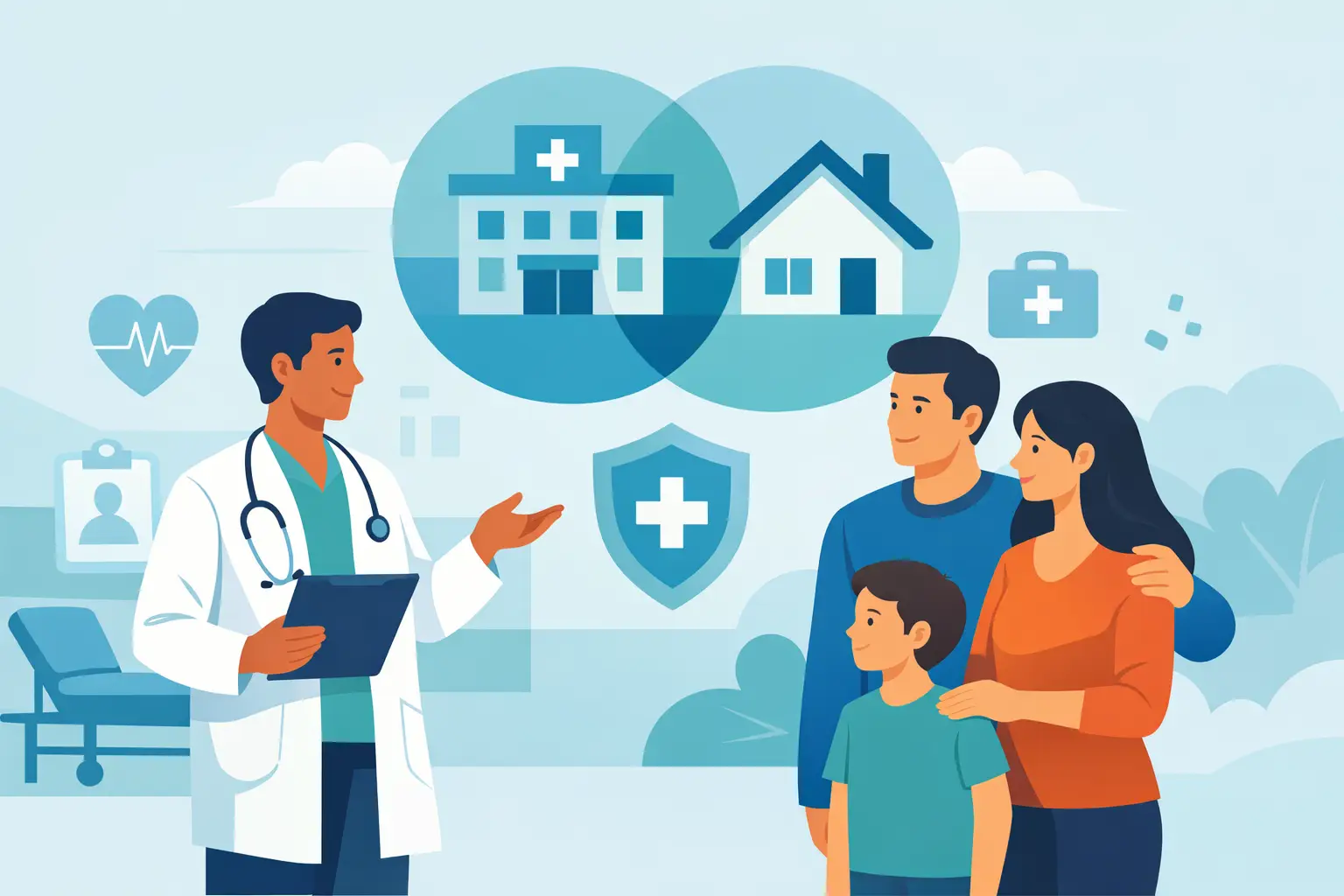
Because of that training, family medicine physicians are well positioned to provide primary care for whole households. A parent might come in for high blood pressure follow-up, bring a child for an annual checkup, and schedule a grandparent for diabetes management – all with the same practice.
This broad scope is one reason patients often prefer family medicine for primary care. It creates continuity across life stages and makes it easier to build a lasting relationship with a provider who understands both personal and family health patterns.
What a family medicine doctor commonly treats
A family medicine doctor serving as a primary care physician may help with preventive care, annual physicals, immunizations, minor illnesses, chronic disease management, medication reviews, allergies, and common concerns like fatigue, cough, sore throat, or skin irritation. They may also coordinate testing and refer you to specialists when a condition needs more focused care.
That does not mean a family medicine doctor replaces every specialist. It means they are often the first and most consistent point of contact for your healthcare.
Family medicine vs. internal medicine vs. pediatrics
Part of the confusion comes from the fact that several specialties can provide primary care.
Family medicine doctors treat a wide range of ages. Internal medicine doctors usually focus on adults. Pediatricians focus on infants, children, and teens. All three may serve as primary care providers, but the right fit depends on your age, health needs, and preferences.
For example, an adult with several chronic conditions may choose an internist as their PCP. A parent who wants one practice for both adults and children may prefer family medicine. A family with young kids may still choose a pediatrician for the children and a separate PCP for the adults.
So if you are asking whether a family medicine doctor can be your primary care physician, the answer is yes – and for many families, it is a practical choice because it keeps care more connected.
When a family medicine doctor is a strong choice
Family medicine can be especially helpful if you want broad, ongoing care without extra complexity. That includes people who need preventive services, patients managing conditions like diabetes or high blood pressure, adults with occasional acute illnesses, and families who want to simplify healthcare.
It can also be a strong fit if convenience matters to you. Many family medicine practices offer same-day visits, online scheduling, on-site testing, and follow-up care through one office. That kind of setup can save time and reduce the stress of coordinating care across multiple locations.
For patients in the San Antonio area, practices such as Castle Hills Family Practice are built around that model – accessible primary care, broad in-office services, and support for both routine and ongoing health needs.
Situations where another PCP might make more sense
There are times when another type of primary care provider may be a better fit. If your child has complex developmental or pediatric specialty needs, a pediatrician may be the best starting point. If you are an adult with highly specialized internal medicine concerns, an internist may feel like the right choice.
That said, many patients start with family medicine and only branch out when they truly need specialty care. A good primary care relationship should make that process easier, not harder.
What to look for in a primary care doctor
The question is not only can a family medicine doctor be a primary care physician. It is also whether that specific doctor or practice is the right primary care fit for you.
Look for a provider who offers the basics well: preventive care, chronic disease support, sick visits, and clear communication. Beyond that, think about access. Can you get an appointment quickly? Is the office convenient? Do they offer testing or routine services on-site? Do you feel heard during visits?
Those practical details matter more than many people expect. A physician may have excellent credentials, but if scheduling is difficult or follow-up is slow, staying consistent with care becomes harder. In real life, good primary care needs to be both clinically sound and easy to use.
Why this distinction matters for patients
For many patients, labels are less important than knowing where to go when they need care. Still, understanding the difference helps you make a smarter choice.
Primary care is the function. Family medicine is one path to that function. When you know that, it becomes easier to choose a doctor based on your needs instead of getting stuck on terminology.
It also helps with insurance forms, provider directories, and appointment scheduling. If you are looking for a PCP and see family medicine listed, that is usually a sign you are in the right category. You are not choosing something different from primary care. In many cases, you are choosing one of the most common forms of it.
The bottom line for families and individuals
So, can a family medicine doctor be a primary care physician? Yes, and very often that is exactly the role they play. They provide preventive care, treat common illnesses, manage chronic conditions, and help guide patients through the healthcare system over time.
If you want one dependable place to turn for routine care, sick visits, long-term health management, and care for multiple family members, family medicine is often a very practical option. The best next step is to choose a provider who combines medical expertise with the kind of access, follow-through, and personal attention that makes staying healthy feel manageable.