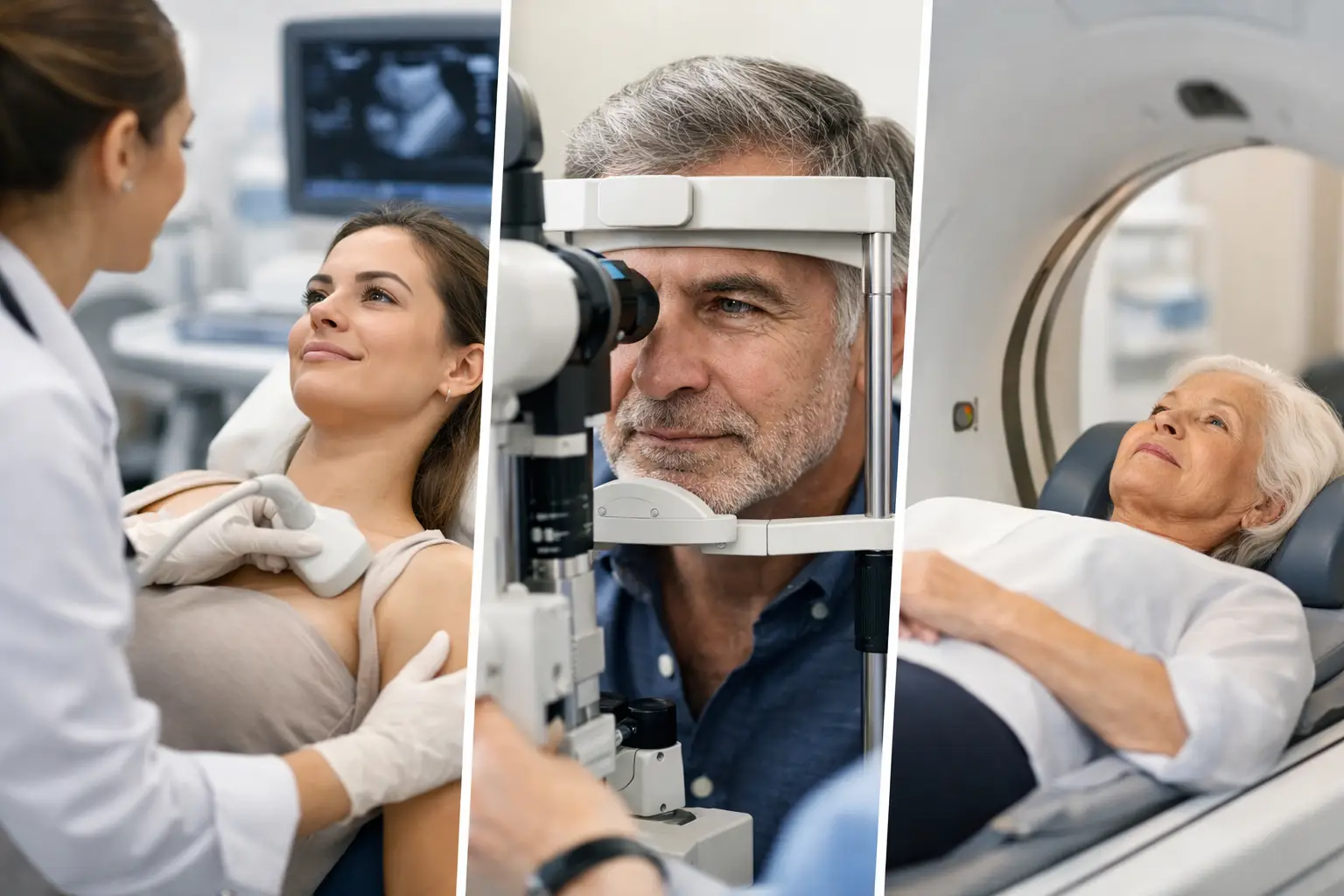
Missing a screening usually does not feel urgent – until it is. The best preventive screenings by age are not about doing every test possible. They are about getting the right checks at the right time, based on your risk, your family history, and what helps catch problems early when treatment is simpler.
That matters for busy families and working adults who want clear next steps, not a confusing list of medical tasks. Preventive care works best when it feels manageable. A good primary care visit can help you sort out which screenings you actually need now, which can wait, and which should start earlier because of your personal health history.
Why the best preventive screenings by age are not one-size-fits-all
Age is a helpful starting point, but it is not the whole story. Sex, family history, lifestyle, blood pressure, weight, smoking history, pregnancy history, and existing conditions all affect screening decisions. Someone in their 30s with a strong family history of colon cancer may need screening sooner than a healthy peer. Someone with diabetes or high blood pressure may need closer follow-up than standard age-based guidance suggests.
This is why annual wellness visits still matter, even when you feel fine. Screenings are only useful when they fit the person in front of the provider. The goal is not to order tests for the sake of testing. The goal is to protect long-term health while avoiding unnecessary steps.
Best preventive screenings by age: your 20s and 30s
For many adults, these decades are when serious health issues seem far away. In reality, this is when patterns start to show up. High blood pressure, unhealthy cholesterol, weight-related concerns, anxiety, depression, sexually transmitted infections, and early blood sugar problems can all begin before symptoms become obvious.
Blood pressure screening should happen regularly in early adulthood. It is quick, simple, and one of the most useful checks in primary care because high blood pressure often causes no symptoms. Weight and body mass index are also commonly reviewed, not as a judgment, but as one part of understanding cardiometabolic risk.
Cholesterol screening may begin in young adulthood depending on risk factors such as family history, tobacco use, obesity, diabetes, or high blood pressure. Diabetes screening may also start earlier for adults who are overweight or have additional risk factors. Mental health screening is another important piece. Anxiety and depression are common, treatable, and often missed when people assume stress is just part of life.
For women, cervical cancer screening becomes part of routine preventive care beginning in early adulthood. The timing and type of test can vary by age and prior results, so it helps to stay current rather than guessing when you are due. Breast cancer screening usually starts later for average-risk women, but family history can change that timeline.
For men, routine preventive care in these years often focuses on blood pressure, cholesterol, diabetes risk, sexual health, and lifestyle counseling. Testicular changes, skin concerns, and sports or work-related injuries may also come up, even though they are not always part of a formal screening program.
In your 40s, prevention becomes more specific
The 40s are often when screening conversations become more targeted. Many adults are balancing work, kids, aging parents, and their own health starts slipping down the list. This is also the decade when cardiovascular risk deserves closer attention.
Blood pressure, cholesterol, and diabetes screening remain central. If prior numbers were borderline, your provider may want more frequent follow-up. Weight management, sleep quality, alcohol use, and exercise habits start to matter even more because they affect long-term heart health and metabolic health.
Colon cancer screening now begins at age 45 for many average-risk adults. That recommendation has changed in recent years, and some patients are surprised to hear it starts earlier than it once did. The right test depends on your risk and preferences, but the bigger issue is not putting it off.
Women in their 40s often begin regular mammograms, although the exact starting age can vary depending on individual risk and shared decision-making. Cervical cancer screening continues on its recommended schedule. Men may begin asking more about prostate health in this decade, especially if they have a family history or are at higher risk. Not every man needs the same prostate screening plan at the same age, which is why a conversation with a primary care provider is useful.
Best preventive screenings by age in your 50s and 60s
By the 50s and 60s, preventive care is less about theory and more about staying ahead of conditions that become more common with age. Heart disease, diabetes, certain cancers, osteoporosis, and hearing or vision changes often move higher on the list.
Colon cancer screening remains important if it has not already started, and follow-up timing depends on the type of test and prior findings. Breast cancer screening continues for women, and cervical cancer screening may continue depending on age and prior results. Prostate screening remains individualized for men. Skin checks can also be valuable, especially in Texas, where sun exposure adds up over time.
Bone health deserves attention in this age group, particularly for women after menopause and for adults with risk factors for osteoporosis. A bone density test is not needed for everyone at the same time, but it becomes increasingly relevant with age, fracture history, certain medications, or low body weight.
Adults with a history of smoking may qualify for lung cancer screening at the appropriate age and smoking exposure threshold. This is one of the clearest examples of where age alone is not enough. Smoking history determines whether screening makes sense.
Vision and hearing changes are easy to normalize, but they affect safety, independence, and quality of life. Screening for these issues can be part of routine preventive care, especially if symptoms are subtle. The same is true for vaccinations, which are a major part of prevention even though people do not always think of them as screenings.
In your 70s and beyond, the right screening depends on overall health
Older adults often ask a reasonable question: when do screenings stop being helpful? The answer depends on life expectancy, current health, mobility, prior test results, and personal preferences. More testing is not always better. The best care stays thoughtful.
Blood pressure, diabetes monitoring, cholesterol review, fall risk, memory concerns, bone health, and vision and hearing checks often remain important. Cancer screening decisions become more individualized. Some adults in their 70s benefit from continuing breast or colon cancer screening, while others may not, particularly if the burdens of testing outweigh the likely benefit.
This is also a stage of life when medication review matters. Preventive care is not just about finding new disease. It is also about reducing avoidable complications, checking for side effects, and making daily health simpler to manage.
What to expect at a preventive visit
A good preventive visit should feel organized, not overwhelming. Most screenings begin with a conversation about your age, medical history, family history, symptoms, medications, and habits such as exercise, sleep, alcohol use, and smoking. From there, your provider can recommend which labs, exams, imaging, or follow-up appointments make sense.
Sometimes patients expect a long list of tests, but appropriate care is often more selective than that. If you are healthy and low risk, your screening plan may be fairly simple. If you have chronic conditions or a strong family history, your plan may be more active. Neither is better or worse. It just reflects what your body and your history call for.
At Castle Hills Family Practice, many patients appreciate being able to handle routine primary care, wellness visits, lab work, and ongoing follow-up in one setting. That kind of convenience makes it easier to keep up with preventive care instead of postponing it until something feels wrong.
The most important part of screening is follow-through
A screening only helps if it gets done, and if abnormal results are addressed. That sounds obvious, but it is where many people get stuck. They mean to schedule the mammogram, repeat the blood pressure check, complete the colon screening kit, or come back for fasting labs, then life gets busy.
If you are not sure where to start, start with a routine checkup. Bring your questions, your family history, and a list of medications and supplements. If you have not had preventive care in a while, that is okay. You do not need a perfect record to begin again. The next right screening is still worth doing.