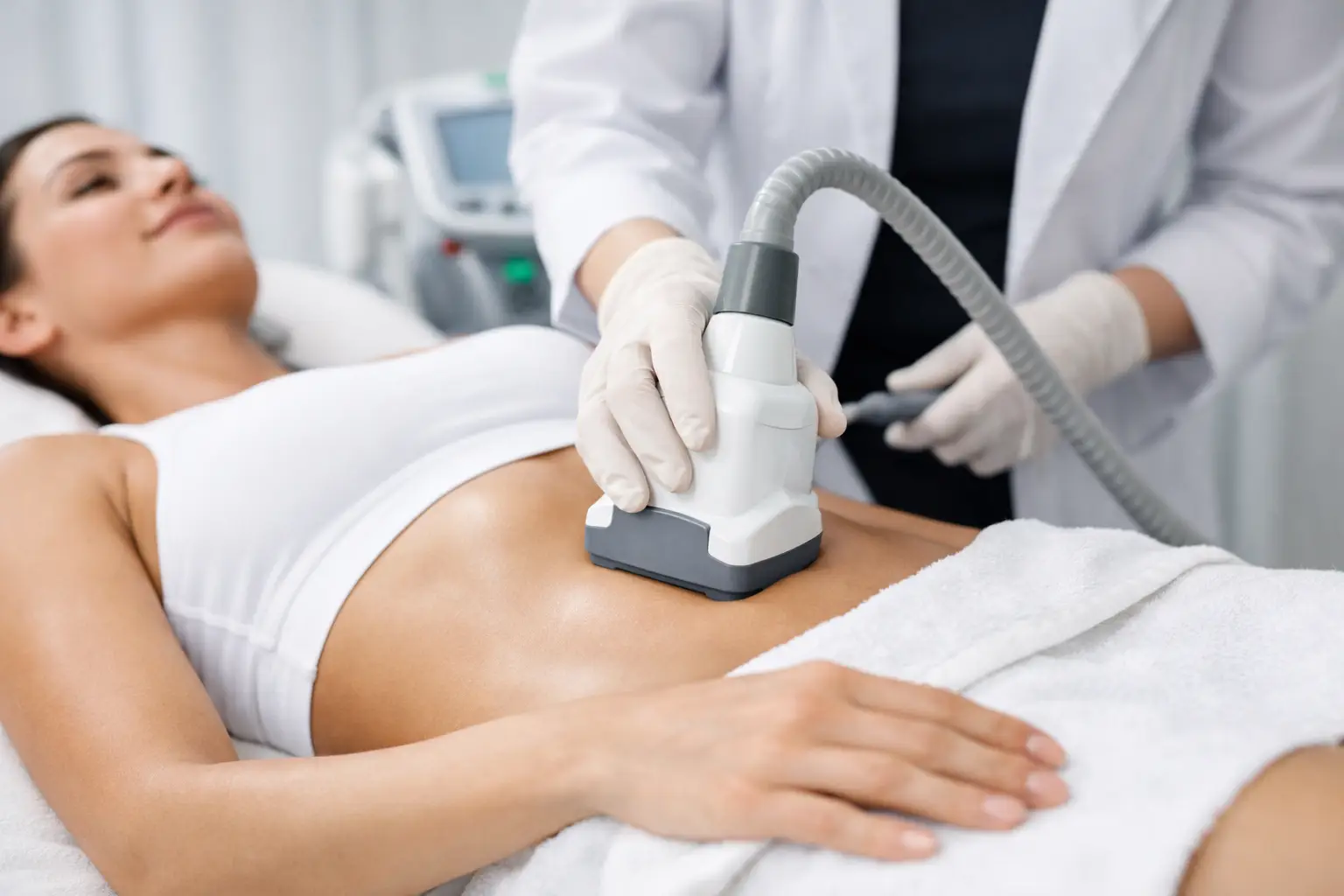
Stubborn fullness around the abdomen, flanks, thighs, or under the chin can persist even when you are eating well and staying active. A truSculpt body contouring treatment is designed for those frustrating areas that do not always respond to healthy habits alone. It is a non-surgical option for reducing targeted fat and, depending on the applicator and treatment plan, improving the appearance of skin firmness.
For many San Antonio patients, the appeal is practical: no surgery, no incisions, and little to no interruption to a normal workday. Still, body contouring is not a shortcut for weight loss or a replacement for a healthy lifestyle. Knowing what it can realistically do helps you decide whether it belongs in your wellness plan.
What Is a truSculpt Body Contouring Treatment?
truSculpt is an aesthetic treatment that uses radiofrequency energy to heat tissue beneath the skin. Controlled heat damages targeted fat cells, which the body gradually processes and clears over time. Certain truSculpt treatments can also heat the deeper layers of skin to support collagen remodeling, which may improve the look of mild skin laxity.
The treatment is performed from outside the body. A trained provider places an applicator on the selected area, and the device delivers radiofrequency energy while monitoring skin temperature. Unlike surgical procedures, there are no incisions, anesthesia, or required recovery period at home.
The appropriate device and technique depend on the concern being treated. Some people are primarily focused on a small pocket of fat, while others want to address several areas or combine fat reduction with skin-tightening goals. A consultation is the right time to discuss your priorities, health history, and the areas you would like to improve.
What Areas Can truSculpt Treat?
Body contouring works best when there is a defined area of pinchable fat or mild looseness that a patient would like to reduce. Common treatment areas include the abdomen, love handles, back, thighs, upper arms, and the area beneath the chin. The best approach is individualized. A smaller area may be treated quickly, while multiple body areas may require a longer appointment or more than one session.
It is also worth separating body contouring from overall weight management. If your goal is significant weight loss, a primary care conversation about nutrition, activity, metabolic health, medications, and sustainable support may be more useful as a first step. truSculpt can complement healthy weight-management efforts, but it is not intended to treat obesity or produce a dramatic change on the scale.
What Does Treatment Feel Like?
Most patients describe the sensation as deep warmth. As the area heats, it may feel similar to a warm stone massage, with brief periods of more noticeable heat. The provider adjusts the treatment based on your comfort and the temperature needed for an effective session.
Treatment time varies by the body area and the type of truSculpt applicator used. Some appointments are short enough to fit into a busy day, while larger or multiple areas naturally take longer. You can usually return to work, errands, exercise, and family responsibilities afterward.
Temporary redness, warmth, tenderness, or mild swelling can occur in the treated area. These effects are generally short-lived. Some patients also notice temporary firmness or a bruised feeling. Your provider should explain normal after-effects, aftercare instructions, and the symptoms that would warrant a call before treatment begins.
When Will You See Results?
Results develop gradually because the body needs time to process the affected fat cells and remodel collagen. Some patients begin to notice a change within several weeks, but final improvement may continue to develop over two to three months. Skin-related changes can take longer to become noticeable.
The amount of change varies. It depends on the treatment area, your starting body composition, the device used, and how your body responds. Patients often see the most satisfying results when their expectations are focused on refinement – a smoother silhouette, a smaller bulge in a particular area, or clothing that fits more comfortably – rather than a major weight-loss transformation.
One session may be appropriate for some patients, while others benefit from a series of treatments. During a consultation, a provider can recommend a plan based on the area, the amount of tissue being treated, and your aesthetic goals. Be cautious with anyone who promises a specific number of inches or guarantees an identical result for every patient.
Who Is a Good Candidate?
A good candidate is generally an adult who is close to a stable weight and wants to improve one or more stubborn areas. You should have realistic expectations, be able to maintain healthy routines, and be comfortable with gradual rather than immediate results.
A provider will also review your medical history and current medications. Radiofrequency-based body contouring may not be appropriate for everyone, including people who are pregnant, have certain implanted electronic devices, have an active skin infection in the treatment area, or have medical conditions that affect healing or sensation. Prior surgery, metal implants, hernias, and changes in skin sensitivity should also be discussed.
This screening matters. An aesthetic appointment should still begin with thoughtful medical guidance, not a one-size-fits-all sales pitch. At Castle Hills Family Practice and Castle Wellness & Laser Center, patients can discuss elective wellness goals with a team that understands the importance of overall health, comfort, and clear next steps.
How to Prepare for Your Appointment
Preparation is usually simple. Arrive well hydrated, wear comfortable clothing, and avoid treating skin that is irritated, sunburned, or broken. Tell your provider about new medications, recent procedures, or any health changes since your consultation.
After treatment, follow the instructions you receive. Many people return to their normal routines right away, but it is reasonable to give a sore area a day or two before scheduling activities that place direct pressure on it. Staying hydrated, keeping regular movement in your schedule, and maintaining a stable weight can support your broader body-contouring goals.
Photos and measurements taken before treatment can be helpful. Day-to-day changes in hydration, digestion, and lighting can make it difficult to judge subtle progress in the mirror. Consistent photos allow you and your provider to evaluate changes more fairly over time.
How Does truSculpt Compare With Other Options?
The right body-contouring choice depends on your goals, comfort level, budget, and willingness to accept downtime. Liposuction can produce more dramatic fat reduction, but it is a surgical procedure with anesthesia, recovery, and greater risk. Injectable fat-reduction treatments may suit certain small areas, particularly under the chin, but often require multiple visits and can involve more swelling.
Other non-surgical devices use cooling, ultrasound, or different forms of energy. None is automatically best for every person. Radiofrequency may be especially appealing to patients who want a comfortable, no-incision option and may also benefit from attention to mild skin laxity. A qualified provider can explain which approach matches the area you want to treat instead of steering you toward a single device.
Body contouring works best as a personal choice, not a response to pressure from a photo, event, or social media trend. If a targeted area has been bothering you and you want a non-surgical option with minimal downtime, a consultation can give you a clear, medically informed path forward.