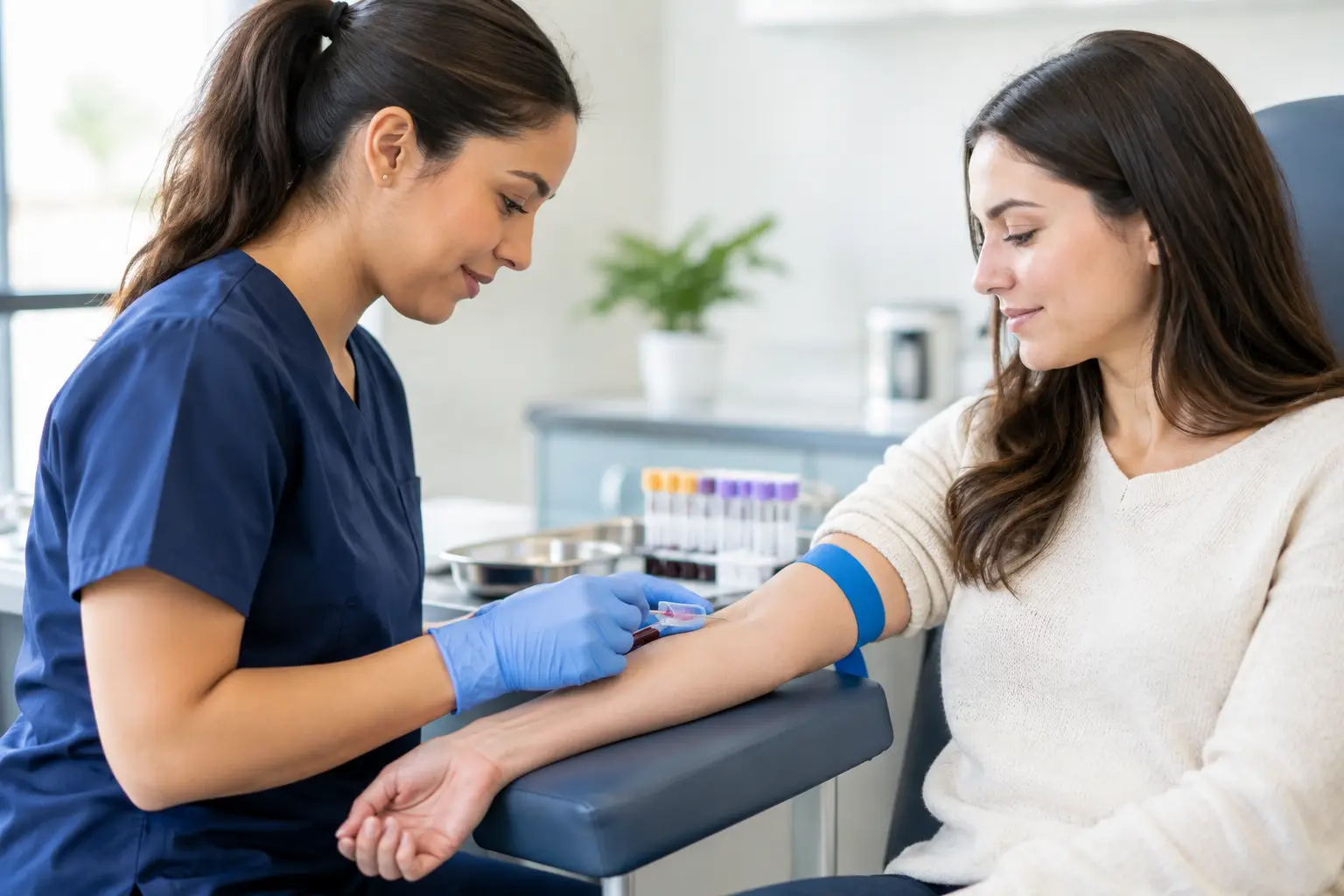
A lingering cough, unexpected fatigue, frequent thirst, or a routine physical can all lead to the same question: can family doctor order lab tests? Yes. Family doctors routinely order laboratory testing when it can help identify a health concern, monitor a condition, guide treatment, or support preventive care.
For many patients, starting with primary care is the most efficient path. Your family doctor knows your health history, current medications, past test results, and the symptoms that brought you in. That context helps ensure testing is purposeful rather than a long list of labs that may not answer the question at hand.
Can a family doctor order lab tests for routine care?
Yes. Annual physicals and wellness visits often include a conversation about whether routine lab work makes sense for you. The right tests depend on your age, personal and family medical history, medications, lifestyle, and any symptoms you are experiencing.
A family doctor may order common blood or urine tests to check cholesterol, blood sugar, kidney function, liver function, thyroid levels, blood counts, or signs of infection. Testing may also be used to screen for conditions such as diabetes or to evaluate nutritional concerns when symptoms and history point in that direction.
Not every patient needs the same panel of tests every year. For example, a healthy younger adult without symptoms may need different screening than an older adult managing high blood pressure or diabetes. Your provider can explain which tests are recommended and why, helping you avoid unnecessary testing while still staying proactive about your health.
When a family doctor may recommend lab work
Lab tests are often one piece of a larger evaluation. Your provider will listen to your concerns, review your health history, perform an exam when needed, and decide whether testing can provide useful information.
If you have symptoms such as ongoing tiredness, weight changes, dizziness, abdominal discomfort, frequent urination, numbness, fever, or changes in bowel habits, lab work may help narrow down possible causes. A test result does not always deliver a final diagnosis on its own, but it can point your care in the right direction.
Family doctors also order labs to manage ongoing conditions. Someone with diabetes may need regular blood sugar monitoring. A patient taking certain medications may need periodic kidney, liver, or blood count tests. Those being treated for thyroid disease may need follow-up testing to confirm that medication is working as intended.
Pregnancy planning, sexually transmitted infection screening, allergy concerns, and certain cardiovascular risk assessments can also begin in primary care. The goal is not simply to collect numbers. It is to use those numbers alongside your overall health picture.
Lab testing can help with preventive care
Many health conditions develop gradually and do not cause obvious symptoms early on. High cholesterol, prediabetes, and some kidney concerns are examples. Preventive testing can identify risk factors before they become more difficult to manage.
That said, preventive care should feel personal. A thoughtful primary care visit includes more than checking boxes. Your provider can discuss what you want to improve, whether that is energy, weight, blood pressure, sleep, nutrition, or long-term disease prevention, then recommend appropriate next steps.
Lab testing can help with new symptoms
When you are not feeling like yourself, it is tempting to request every possible test. Broad testing can sometimes create confusing results, including minor abnormalities that are unrelated to your symptoms. A family doctor can select tests based on your specific concern and explain what each result may mean.
For example, fatigue can have many causes, from poor sleep and stress to anemia, thyroid changes, infection, medication effects, or blood sugar concerns. The best testing approach depends on the full conversation, not the symptom alone.
What happens after your doctor orders a test?
Your provider will tell you what is being ordered, whether you need to fast, and where the sample will be collected. Some tests require a simple blood draw or urine sample. Others may involve a swab, stool sample, or another form of collection.
At Castle Hills Family Practice, many everyday primary care needs can be addressed in one setting, including blood draws and a range of in-office testing services. That can make the process easier for busy parents, working adults, and patients managing a chronic condition. Availability may vary by test and location, so your care team can let you know what to expect when you schedule.
Results may come back quickly, or they may take several days depending on the test. A normal result can be reassuring, but it is still worth reviewing in context. An out-of-range result does not automatically mean something is seriously wrong. Lab ranges can vary, and a number may be affected by hydration, recent illness, medications, timing, or other factors.
Your family doctor can interpret the findings alongside your symptoms and history. They may recommend lifestyle changes, medication adjustments, repeat testing, additional evaluation, or simply continued observation. Clear follow-up is one of the biggest advantages of working with a primary care provider who knows you over time.
Will insurance cover lab tests ordered by a family doctor?
Coverage depends on your health plan, the specific test, and the reason it was ordered. Many plans cover preventive services, but coverage rules can differ for screening tests, diagnostic tests ordered because of symptoms, and ongoing monitoring for chronic conditions.
Before your visit, it can help to check your insurance benefits or ask the office about common billing questions. If cost is a concern, tell your provider. They may be able to discuss which tests are most time-sensitive or medically useful so you can make an informed decision.
Even when a test is ordered during an annual physical, it may not always be billed as preventive if it is being used to evaluate a new symptom or manage an existing diagnosis. That distinction can affect your out-of-pocket cost.
When might you need a specialist instead?
A family doctor can order and interpret a broad range of routine and diagnostic labs, but some situations call for specialty care. If results suggest a complex hormonal condition, autoimmune disorder, blood disorder, kidney disease, or another concern that needs advanced evaluation, your primary care provider may refer you to the right specialist.
A referral is not a failure of primary care. It is a coordinated next step. Your family doctor remains an essential part of the process, helping connect the specialist’s recommendations to your medications, preventive care, and overall health plan.
There are also symptoms that should not wait for routine lab testing. Chest pain, severe shortness of breath, signs of stroke, fainting, severe allergic reactions, uncontrolled bleeding, or sudden severe pain require urgent or emergency evaluation. In those situations, call 911 or seek emergency care rather than waiting for an office appointment.
How to prepare for a lab visit
Preparation is usually simple, but follow the instructions provided for your specific test. Some blood tests require fasting for a certain period, while others do not. Drinking water is often encouraged unless your provider says otherwise, since hydration can make a blood draw easier.
Bring a current medication list, including vitamins, supplements, and over-the-counter products. Some supplements and medicines can affect results, and your provider may advise you about timing. Do not stop a prescribed medication unless your clinician specifically tells you to do so.
If you have a history of feeling lightheaded during blood draws, let the staff know before the test begins. Small steps, such as having a snack afterward when fasting is complete or sitting for a few minutes after the draw, can make the experience more comfortable.
A practical first step when you need answers
Lab tests work best when they are part of a conversation, not a substitute for one. If you have new symptoms, need routine screening, or want help monitoring a condition, schedule a primary care visit and share what has changed. A family doctor can help determine whether lab work is appropriate, explain the results in plain language, and make sure you leave with a clear plan for what comes next.
When something feels off, you do not have to sort through it alone. A timely visit can turn a vague concern into a thoughtful next step for your health.