A five-star rating can be reassuring, but it does not tell you whether a body contouring treatment will fit your goals, schedule, or health needs. The most useful body contouring reviews go beyond a quick comment about liking a result. They describe the patient’s starting point, the type of treatment received, how the appointment felt, what happened in the weeks afterward, and whether expectations were realistic.
For San Antonio patients considering a non-surgical option, reviews can be a practical part of the decision-making process. They should never replace a personal consultation, especially when you have medical conditions, take prescription medications, or are unsure whether body contouring is appropriate for you. Still, when you know what to look for, patient feedback can help you ask better questions and choose care with greater confidence.
Why body contouring reviews need context
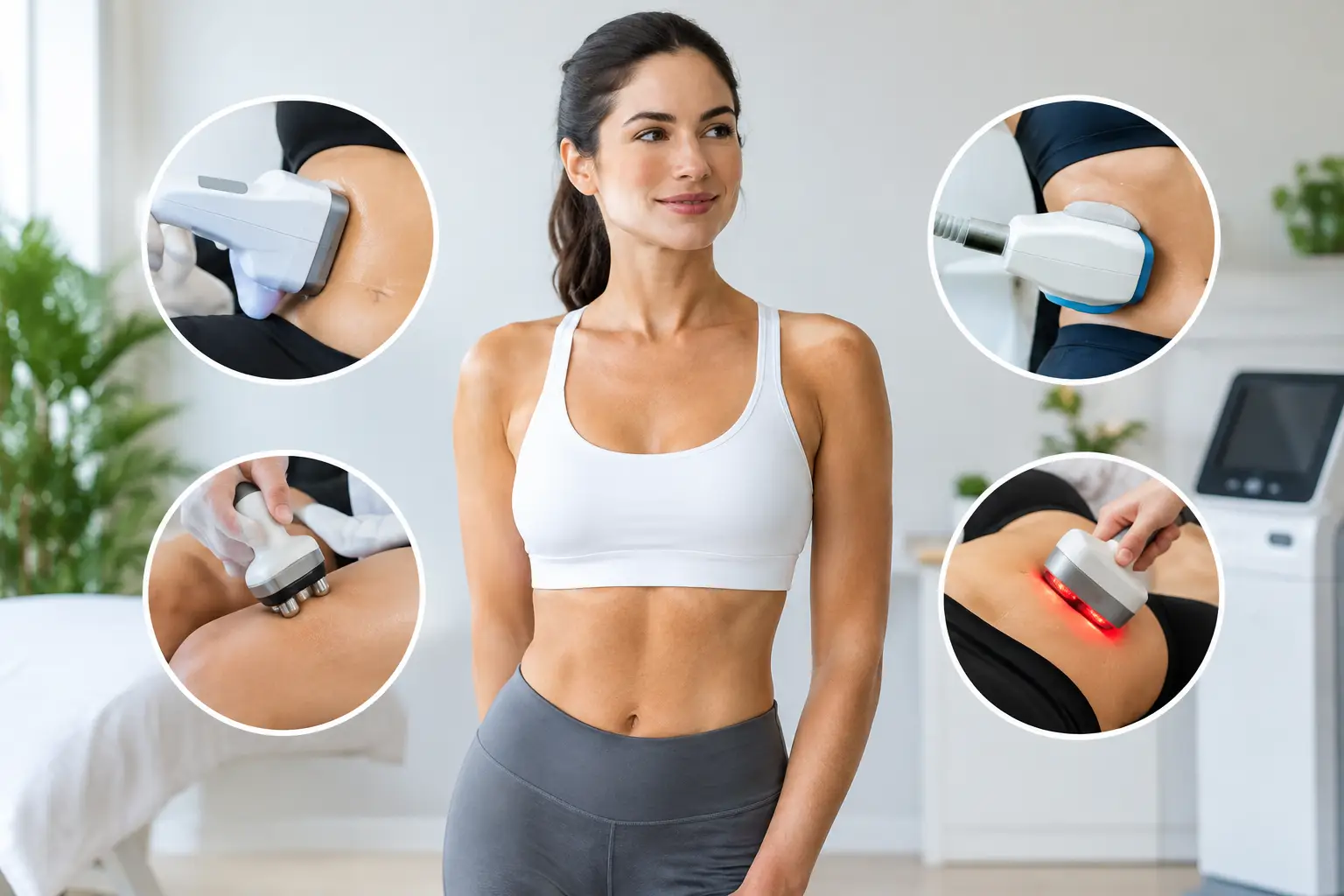
Body contouring is not one single treatment. It is a category that can include non-surgical treatments designed to reduce small, stubborn areas of fat, support a more defined appearance, or improve skin appearance in selected areas. Technologies use different methods, such as heat, cooling, or energy-based treatments, and each may have its own treatment plan, sensation, recovery expectations, and ideal candidate profile.
That is why a review that says, “It worked,” is encouraging but incomplete. A useful review gives you enough context to understand what “worked” meant for that person. Someone seeking a modest change around the abdomen may be pleased with a gradual improvement after several weeks. Another person may expect a dramatic transformation and feel disappointed, even if their treatment produced a medically expected result.
Look for feedback from patients whose goals resemble your own. Pay attention to the body area treated, whether the person was near a stable weight, how many sessions they had, and how long they waited before judging results. These details matter far more than an overall star rating alone.
What to look for in body contouring reviews
Clear expectations before treatment
Strong reviews often mention the consultation. Patients should feel that the provider listened to their goals and explained what treatment can and cannot do. Non-surgical body contouring is generally not a weight-loss program, and it does not replace healthy eating, movement, or medical support for weight management.
A trustworthy experience usually includes an honest discussion of whether the treatment is likely to help. Be cautious with reviews or advertising language that suggests guaranteed inch loss, instant changes, or results that sound too broad to be realistic. Bodies respond differently, and a responsible provider should be comfortable saying when a different approach may make more sense.
Specifics about comfort and downtime
Comfort is personal, but reviews can help you understand the range of experiences. Some patients describe warmth, mild pressure, tingling, or temporary sensitivity during an energy-based treatment. Others report that the appointment was easier than expected and that they returned to normal daily activities quickly.
The most balanced reviews do not claim that a treatment is completely sensation-free for everyone. Instead, they explain what the person felt, how long it lasted, and whether the office team checked in during the appointment. This can tell you a great deal about the treatment environment and the level of patient support.
Timing of results
Non-surgical body contouring results are often gradual. Depending on the technology and treatment area, changes may develop over several weeks or longer as the body responds to the treatment. Reviews posted immediately after an appointment may be helpful for understanding comfort and office experience, but they cannot reliably speak to the final outcome.
Prioritize reviews that include follow-up updates. A patient who shares how they felt at one month, two months, or after completing a treatment series offers more useful perspective than someone reviewing the service on the same day. Before-and-after photos can also be helpful when they are clearly labeled with the time between images and reflect consistent lighting, posture, and clothing.
Respectful, attentive care
Aesthetic care is personal. Patients should not feel rushed, judged, or pressured into services that do not match their goals. Reviews that mention clear explanations, privacy, a welcoming staff, and time for questions are meaningful. They point to an office culture that values comfort as well as results.
It is also worth noting how a practice handles concerns. No medical or aesthetic service will have perfect feedback from every person. What matters is whether the provider responds professionally, offers follow-up when appropriate, and takes patient questions seriously.
Red flags when reading reviews
A glowing review is not automatically reliable, and a negative review does not always mean a provider delivered poor care. Read patterns rather than reacting to one dramatic story.
Be careful with reviews that promise dramatic weight loss from a localized treatment, guarantee results, or provide no details beyond repeated promotional wording. Reviews that seem copied, overly vague, or posted in a sudden cluster may not give you a clear picture either.
Also watch for signs that expectations were not properly addressed. If multiple patients say they were surprised by costs, number of sessions, possible side effects, or the time required to see results, bring those questions to your consultation. Clear communication before treatment is a basic part of good care.
A negative review deserves context as well. Was the concern about scheduling, billing, discomfort, lack of results, or an interaction with staff? Was the review written soon after treatment, before results could reasonably appear? A fair assessment separates the patient’s experience from assumptions about whether the treatment itself was appropriate.
Questions reviews cannot answer for you
Even detailed reviews cannot determine whether you are a candidate. Your health history, medications, skin condition, treatment area, prior procedures, and personal goals all matter. Pregnancy, certain implanted medical devices, active skin concerns, and some health conditions may affect which services are appropriate. A qualified provider should review these factors before recommending treatment.
Reviews also cannot tell you exactly how many sessions you will need or predict your final result. Some patients may be satisfied after one treatment, while others may benefit from a series or decide that another option better serves their goals. Cost should be discussed clearly, including whether pricing is per session, per area, or part of a package.
If you are considering body contouring after a major weight change, pregnancy, or a health-related change in your body, it can be especially helpful to discuss the broader picture. Loose skin, muscle separation, fat distribution, and overall wellness goals may call for different recommendations. The best plan is the one that fits your needs, not the one that received the most enthusiastic review online.
How to use reviews before your consultation
Use reviews to build a short list of questions instead of using them as a final verdict. Ask which technology is being recommended and why it fits the area you want to treat. Ask what you may feel during the appointment, when results are typically assessed, and what side effects are common. You can also ask how the practice tracks progress, whether through measurements, photos, or follow-up visits.
At Castle Wellness & Laser Center, body contouring conversations should begin with your goals and a clear understanding of what is realistic for your body. A treatment such as truSculpt may be an option for certain patients looking for non-surgical contouring, but a personal consultation is the right place to determine whether it fits your needs.
Bring up anything that makes you hesitant, including a review you read that raised concern. A dependable provider will welcome the question rather than brush it aside. You deserve straightforward answers about benefits, limitations, cost, and what happens if you are not an ideal candidate.
The right body contouring decision should feel informed, not rushed. Read reviews for the details behind the rating, then give equal weight to a thoughtful consultation, realistic expectations, and a care team that treats your time and comfort with respect.