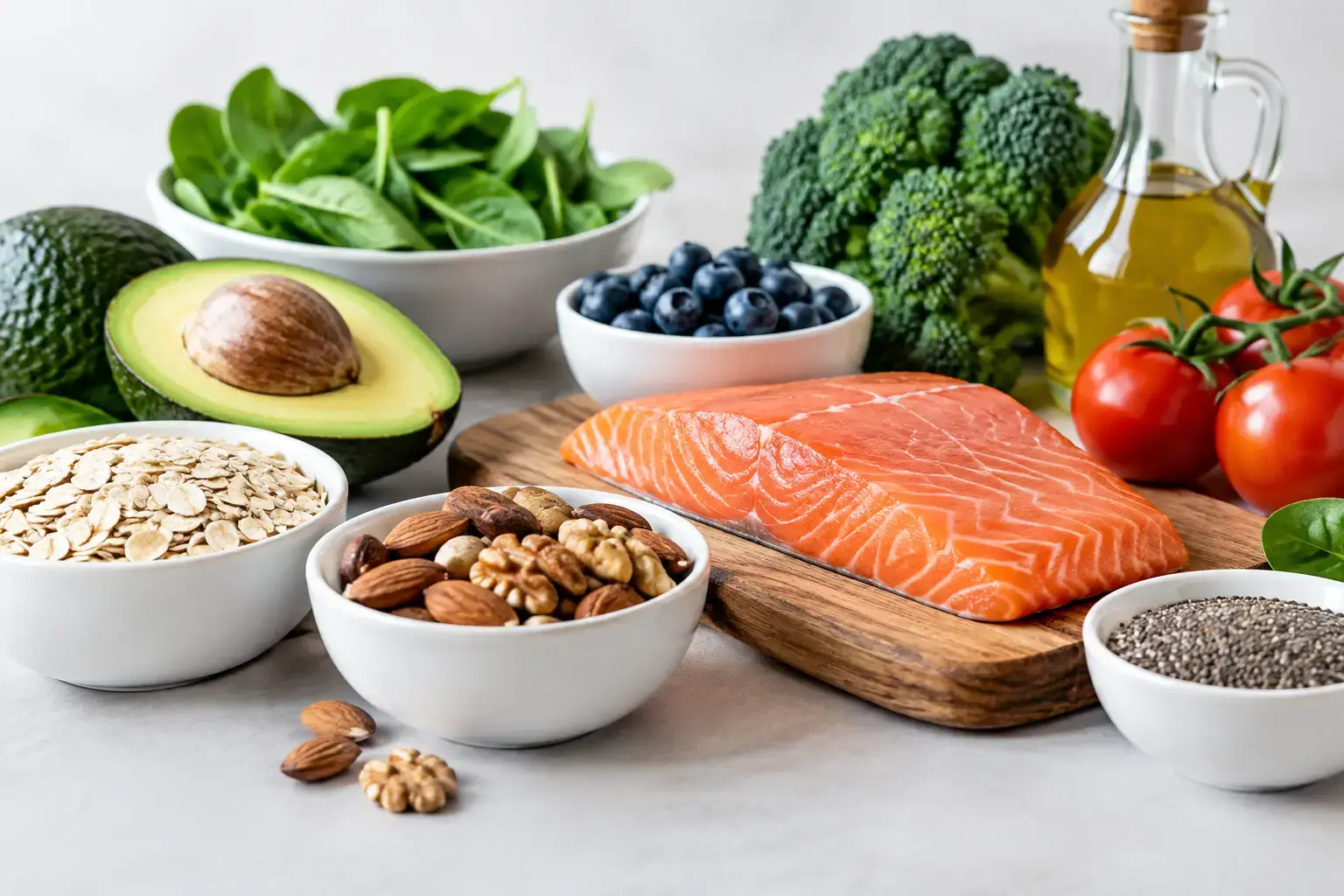
A cholesterol result can feel abstract until you see a high LDL number on your lab report. The encouraging part is that everyday food choices can make a meaningful difference over time. The best foods for cholesterol are not specialty products or a restrictive diet. They are familiar foods that help lower LDL, the cholesterol often called “bad” cholesterol, while supporting the rest of your heart-health plan.
Food is only one piece of cholesterol care. Genetics, age, activity level, diabetes, thyroid conditions, smoking, weight, and certain medications can all affect your numbers. Still, building more fiber-rich, plant-forward meals is a practical place to start, especially when it fits real family schedules.
How the Best Foods for Cholesterol Help
Cholesterol travels through the bloodstream attached to proteins called lipoproteins. High levels of LDL can contribute to plaque buildup in the arteries over time, increasing the risk of heart attack and stroke. HDL is often called “good” cholesterol because it helps carry cholesterol away from the bloodstream, but your full cardiovascular risk depends on more than one number.
Foods that are high in soluble fiber can help reduce LDL by binding to cholesterol in the digestive system. Unsaturated fats, particularly those found in nuts, seeds, fish, avocados, and olive oil, can improve your overall fat intake when they replace saturated fats. Plant foods also provide nutrients and natural compounds that support blood vessel health.
The goal is not perfection at every meal. Think about what you can add more often and what you can swap gradually. For example, oatmeal can replace a sugary breakfast pastry, or beans can take the place of some ground beef in tacos or chili.
10 Foods to Put on Your Grocery List
1. Oats and other whole grains
Oats are one of the best-known sources of beta-glucan, a type of soluble fiber associated with lower LDL cholesterol. A bowl of oatmeal is an easy breakfast, but you can also add oats to smoothies, meatloaf, or homemade energy bites.
Barley, whole-grain bread, brown rice, and whole-wheat pasta are useful choices too. They are not identical in fiber content, so variety helps. When buying packaged grain products, look for whole grains near the beginning of the ingredient list and compare fiber amounts on the nutrition label.
2. Beans, lentils, and peas
Black beans, pinto beans, chickpeas, lentils, and split peas offer a strong combination of soluble fiber, plant protein, and fullness. They are budget-friendly, easy to keep in the pantry, and work naturally in many South Texas-style meals.
Try adding beans to soups, salads, grain bowls, or tacos. If your family is not used to eating legumes often, start with a smaller portion and rinse canned beans well. Increasing fiber too quickly can cause gas or bloating for some people, so give your digestive system time to adjust.
3. Apples, berries, citrus, and pears
Fruit contains fiber, including pectin, a soluble fiber found in apples, pears, and citrus fruits. Berries add fiber with less added sugar than many sweet snacks, making them a simple addition to yogurt, oatmeal, or a packed lunch.
Whole fruit is usually a better cholesterol-friendly choice than juice because the fiber stays intact. An orange, apple, or handful of berries is more filling than a glass of juice and is easier to work into a routine.
4. Avocados
Avocados provide monounsaturated fat and fiber. Using sliced avocado on a sandwich, in a salad, or alongside eggs can be a satisfying replacement for butter, bacon, or creamy spreads higher in saturated fat.
Portion size still matters because avocados are calorie-dense. A few slices or about one-quarter to one-half of an avocado is plenty for most meals. The benefit comes from using avocado in place of less heart-friendly fats, not simply adding it on top of an already heavy meal.
5. Nuts and seeds
Almonds, walnuts, pecans, pistachios, chia seeds, flaxseed, and pumpkin seeds contain unsaturated fats, fiber, and plant protein. A small handful of unsalted nuts makes a convenient workday snack and can help replace chips, cookies, or other processed options.
Choose dry-roasted or raw nuts when possible, since flavored varieties can be high in sodium or added sugar. Ground flaxseed and chia seeds are easy to stir into oatmeal, yogurt, smoothies, or pancake batter. If you have a nut allergy, seeds can be a useful alternative.
6. Fatty fish
Salmon, sardines, trout, tuna, and mackerel provide omega-3 fats. Omega-3s do not usually lower LDL substantially, but they can lower triglycerides and support heart health. Replacing a meal centered on processed meat or fatty red meat with fish is often the bigger win.
Aim for fish regularly if it works for your preferences and budget. Baked, grilled, or air-fried fish is generally a better choice than heavily breaded or fried preparations. Canned salmon, sardines, and tuna can be convenient options for quick lunches.
7. Olive oil and other plant oils
Olive oil, canola oil, and avocado oil contain mostly unsaturated fats. Using them instead of butter, shortening, lard, or coconut oil can reduce saturated fat intake, which is especially helpful for people trying to lower LDL.
This is a swap, not a reason to pour extra oil into every dish. Use a modest amount for roasting vegetables, sautéing, or making a simple vinaigrette. Flavorful additions such as lime, garlic, herbs, cumin, and vinegar can keep meals satisfying without relying on heavy sauces.
8. Vegetables, especially leafy greens
Vegetables are naturally cholesterol-free and rich in fiber, potassium, and antioxidants. Leafy greens, broccoli, carrots, bell peppers, squash, tomatoes, and okra all count. Frozen vegetables are just as useful as fresh and can save time on busy evenings.
The preparation matters. Roasted vegetables with olive oil and seasoning can be more supportive of cholesterol goals than vegetables covered in butter, cream sauces, cheese, or fried batter. You do not need to give up favorite comfort foods, but making vegetables the larger portion of the plate is a helpful shift.
9. Soy foods
Tofu, tempeh, edamame, and unsweetened soy milk are plant-based protein options that can fit well into a cholesterol-conscious eating pattern. Soy foods may have a modest LDL-lowering effect, but they are especially useful when they replace higher-saturated-fat proteins.
A tofu stir-fry, edamame snack, or soy milk in oatmeal can be simple ways to try them. If you take thyroid medication, ask your clinician or pharmacist about timing, as some foods and supplements may affect how certain medications are absorbed.
10. Foods with plant sterols and stanols
Plant sterols and stanols are naturally present in small amounts in foods such as nuts, seeds, legumes, fruits, and vegetables. Some spreads, yogurts, and fortified foods contain added amounts designed to support lower LDL cholesterol.
These products can be helpful for some adults, but they are not required for a heart-healthy diet. Check labels for calories, saturated fat, and added sugar. They also should not replace prescribed cholesterol medication or regular follow-up care.
Foods to Limit Without Giving Up Everything You Enjoy
For many people, lowering cholesterol means paying closer attention to saturated fat and highly processed foods. Frequent servings of bacon, sausage, fatty cuts of beef, fried foods, full-fat dairy, pastries, and packaged snack foods can make LDL harder to manage.
That does not mean these foods are permanently off-limits. A more realistic approach is to make them less routine. Choose grilled chicken or beans more often than sausage, use cheese as an accent rather than the main ingredient, and save fried foods for occasional meals instead of weekly defaults.
Be cautious with foods marketed as “low cholesterol.” Dietary cholesterol and blood cholesterol are not the same thing, and a product can be low in dietary cholesterol while still being high in saturated fat, sodium, or added sugar. The overall pattern of your meals matters more than one label claim.
When Food Changes Need Medical Support
A healthy eating pattern can improve cholesterol, but it may not be enough by itself. Some people have inherited high cholesterol or other risk factors that require medication in addition to lifestyle changes. If you have diabetes, high blood pressure, kidney disease, a history of heart disease, or a strong family history of early heart problems, regular monitoring is especially important.
Also, do not stop a cholesterol medication because your diet has improved unless your clinician tells you to do so. Grapefruit can interact with certain statins and other medications, so ask before making grapefruit a daily habit.
A cholesterol check gives you a starting point and helps show whether your changes are working. At Castle Hills Family Practice, your primary care team can review your results, discuss realistic nutrition changes, and help build a plan that fits your health history and schedule. Start with one grocery trip, one breakfast swap, or one extra serving of vegetables this week. Small choices repeated often are where lasting heart-health progress begins.