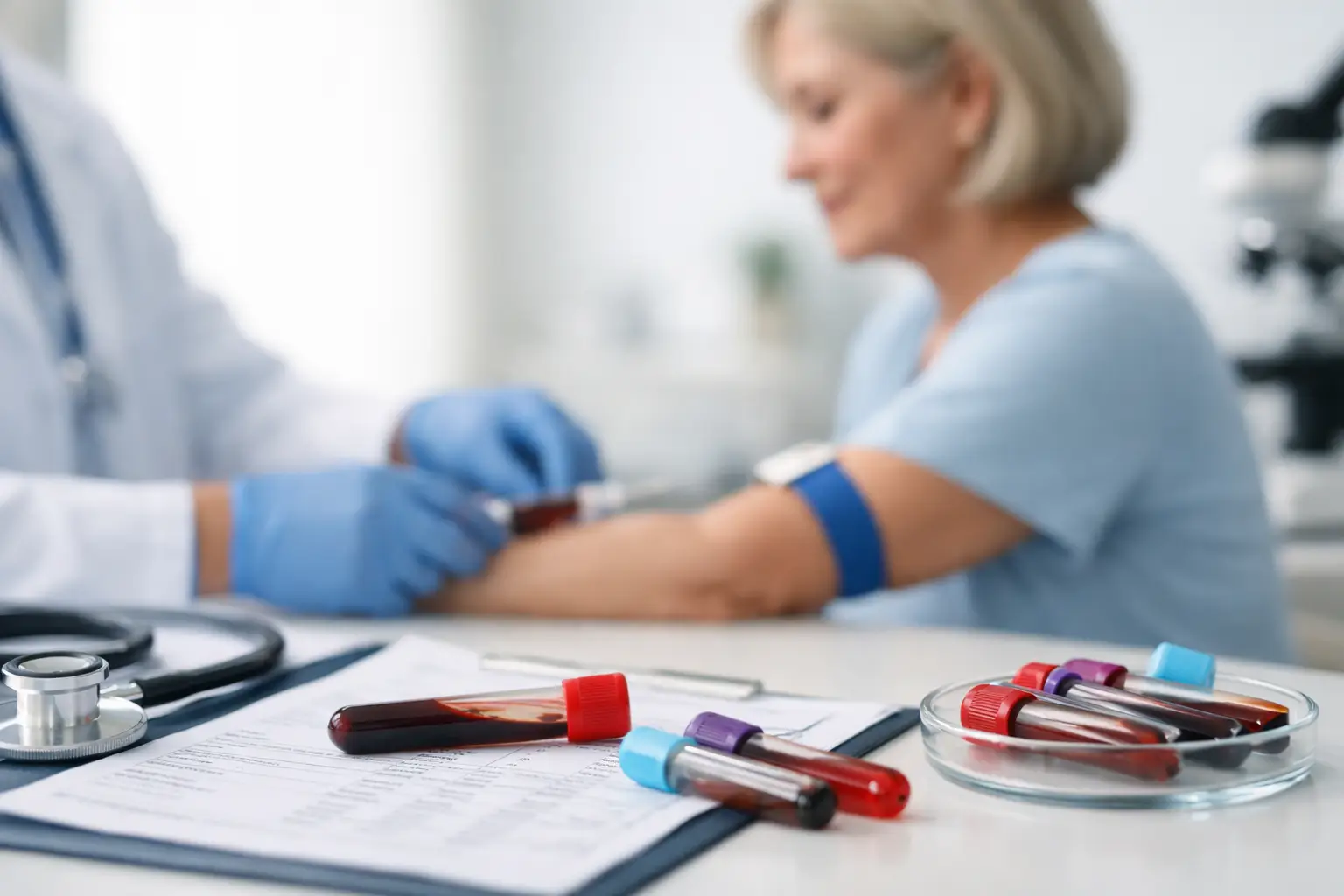
A physical is more useful when it is built around your real health picture, not just a blood pressure reading and a quick conversation. If you are wondering whether blood work before physical appointments is necessary, the answer is often: it depends. Your age, medications, family history, existing conditions, recent results, and the reason for your visit all help your primary care provider decide what testing makes sense.
For many adults, lab work can identify early changes that do not yet cause noticeable symptoms. For others, repeating a broad panel too often may not add meaningful information. The goal is not to order every possible test. It is to choose the right tests at the right time and use the results to guide practical next steps.
Is Blood Work Before a Physical Necessary?
Not every annual physical requires the same lab tests. If you are generally healthy and had normal results recently, your provider may recommend limited testing or may wait until after your exam to order labs. If you have diabetes, high cholesterol, high blood pressure, thyroid concerns, kidney disease, obesity, a strong family history of heart disease, or new symptoms, blood work is more likely to be part of your care plan.
Timing also matters. Some practices ask patients to complete labs before an annual visit so the provider can review results during the appointment. This can make the visit more productive because you can discuss cholesterol numbers, blood sugar, liver function, or other findings in person. Other times, your provider may want to talk with you first, then order only the tests that fit your needs.
A good physical is personal. Two patients of the same age may need very different screening plans based on their health history and risk factors.
What Blood Tests May Be Included?
Your provider may use a blood draw to check for conditions that are common, treatable, or important to monitor over time. Common tests can include:
- A complete blood count, which can look for signs of anemia, infection, and certain blood-related concerns.
- A comprehensive metabolic panel, which may provide information about blood sugar, kidney function, liver function, electrolytes, and more.
- A lipid panel to measure cholesterol and triglycerides and help assess cardiovascular risk.
- An A1C or fasting glucose test to screen for or monitor prediabetes and diabetes.
- Thyroid testing when symptoms, medication use, or personal history make it appropriate.
Depending on your age and circumstances, your provider may also discuss screening for hepatitis C, HIV, vitamin deficiencies, sexually transmitted infections, or other concerns. These are not automatic tests for everyone. They should be based on a conversation that considers your health, lifestyle, symptoms, and preferences.
Why Blood Work Before a Physical Can Be Helpful
Lab results can add context to what happens in the exam room. You may feel well while your cholesterol, blood sugar, or liver enzymes are beginning to change. Finding those changes early can create an opportunity for realistic adjustments, such as nutrition support, more movement, medication review, better sleep habits, or follow-up testing.
For patients managing chronic conditions, blood work is also a way to see whether a treatment plan is working. A patient with diabetes may need regular A1C checks. Someone taking medication for thyroid disease may need periodic thyroid testing. Patients using certain blood pressure medicines, cholesterol medicines, or anti-inflammatory medications may need kidney or liver monitoring.
Results are most valuable when viewed as trends. One mildly abnormal number does not always mean there is a serious problem, and one normal test does not replace routine preventive care. Your provider will consider the full picture, including prior labs, medications, current symptoms, vital signs, and family history.
Do You Need to Fast Before Blood Work?
Ask before assuming you need to fast. Many blood tests can be completed without fasting, and drinking water is usually encouraged unless you receive different instructions. Hydration can make a blood draw easier and may help you feel better afterward.
A fasting lipid panel or certain glucose-related tests may require no food or caloric drinks for a set period, often eight to 12 hours. Black coffee, juice, gum, supplements, and morning medications can affect instructions in different ways. Do not stop prescribed medications unless your medical provider tells you to do so. When you schedule your appointment, ask whether fasting is needed and whether you should take your usual medicine that morning.
If you accidentally eat before a fasting test, let the office know. The team can tell you whether the lab can still be completed or should be rescheduled. Being honest helps prevent confusing results and unnecessary repeat testing.
How to Prepare for Your Lab Appointment
Preparation is usually simple. Bring your insurance information, photo ID, and an updated list of medications, vitamins, and supplements. If you take biotin, commonly found in hair and nail supplements, mention it to your provider because it can interfere with some lab tests.
Try to follow your normal routine unless you were given specific instructions. A sudden intense workout, heavy alcohol use, dehydration, or major changes in diet shortly before testing can affect certain results. If you are sick, have recently been ill, or are experiencing new symptoms, tell your care team. That information may change how a result is interpreted.
It can also help to prepare a few questions for your physical. Ask which tests are being ordered, whether you need to fast, when results will be available, and what follow-up may be needed. If cost is a concern, bring it up before testing. Your provider can help you understand why a test is recommended and whether there are alternatives or timing considerations.
What Happens After the Results Come Back?
Normal results are reassuring, but they still belong in the context of your overall health. If a result is outside the standard range, your provider may recommend repeating it, watching it over time, making lifestyle changes, adjusting medication, or ordering further evaluation. A result outside the reference range is not automatically a diagnosis.
For example, a slightly elevated cholesterol level may lead to a discussion about diet, activity, blood pressure, tobacco use, and family history rather than an immediate prescription. An elevated A1C may point to prediabetes and open a conversation about sustainable habits that lower future diabetes risk. Low blood counts, changes in kidney function, or abnormal liver tests may require additional testing to understand the cause.
This is why reviewing results with a primary care provider matters. Online lab portals can be convenient, but numbers without medical context can cause unnecessary worry or false reassurance. A provider who knows your history can explain what deserves attention now and what can simply be monitored.
Making Your Physical More Productive
Your annual physical is a chance to talk about more than labs. Bring up changes in sleep, energy, mood, weight, pain, memory, menstrual cycles, sexual health, bowel habits, or medications. Mention preventive needs such as immunizations, cancer screenings, and heart health. Small details can help your provider decide whether blood work is useful and which tests are worth ordering.
For San Antonio families balancing work, school, and ongoing health needs, convenient care makes it easier to stay on track. Castle Hills Family Practice offers primary care visits and in-office blood draws so patients can address many routine needs in one familiar setting.
The best time to ask about lab work is before your physical is already underway. Call or schedule your visit, share any fasting questions or health concerns, and let your care team help you arrive prepared for a conversation that is focused on you.