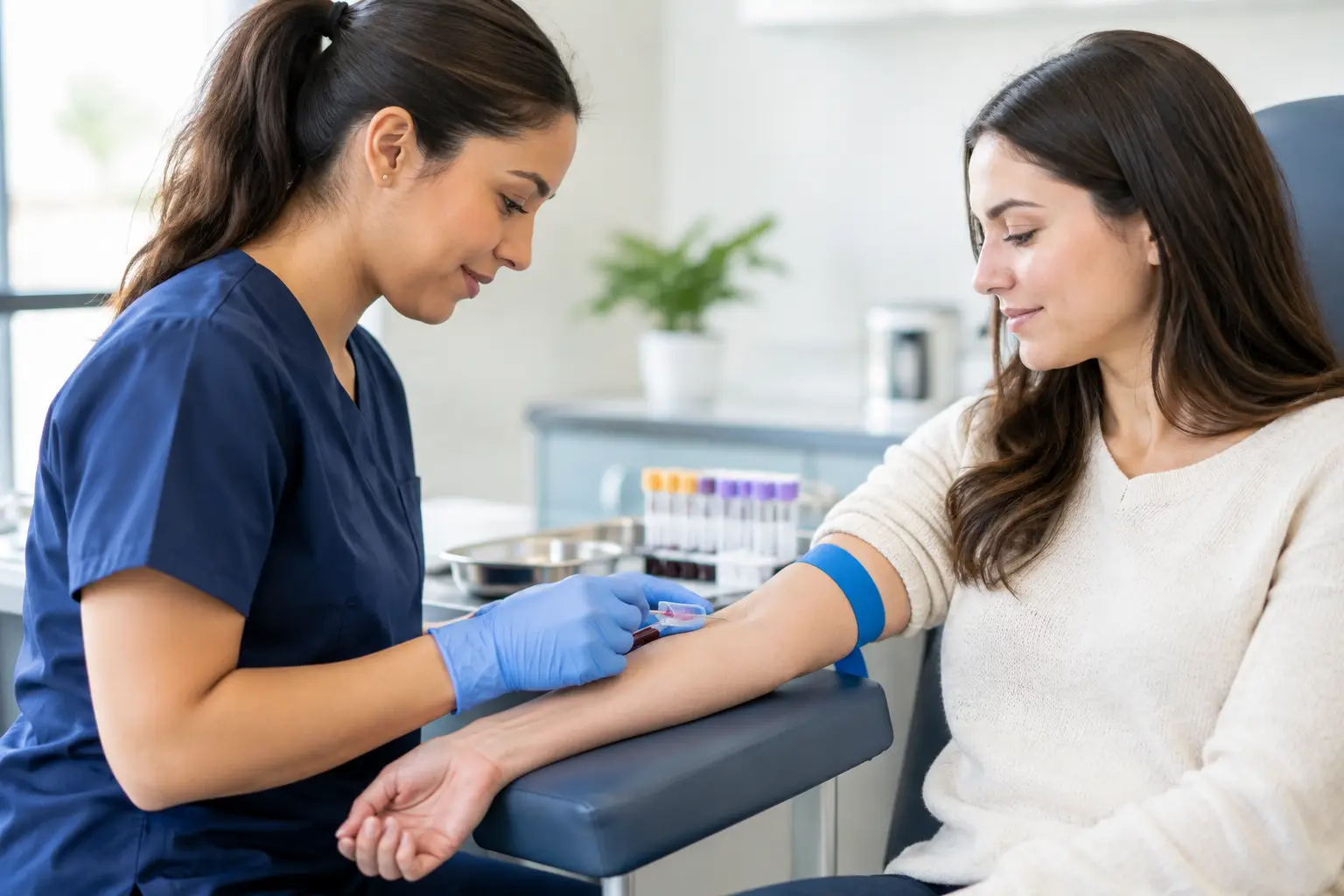
A blood draw at a primary care clinic is often one small part of a much bigger conversation about your health. You may be checking cholesterol at an annual physical, monitoring diabetes, looking for a cause of fatigue, or following up on a medication. Having your lab work handled where you see your regular provider can make that process feel more organized, personal, and less time-consuming.
For many San Antonio families, convenience matters just as much as the test itself. When your primary care team can evaluate your symptoms, order the appropriate testing, collect your sample, and discuss the results in a connected setting, you spend less time coordinating care between multiple offices.
Why Your Primary Care Provider May Order Blood Work
Blood tests give your provider information that is not always visible during a physical exam. They can help identify health concerns early, confirm or rule out possible causes of symptoms, and show whether a treatment plan is working as intended.
During a routine wellness visit, blood work may include a complete blood count, cholesterol testing, blood sugar screening, kidney and liver function tests, or thyroid testing. The specific tests depend on your age, medical history, family history, current medications, and health goals. A parent bringing in a child, an adult managing a busy work schedule, and an older patient monitoring a chronic condition may all need very different lab panels.
Blood work is also commonly ordered when you have symptoms such as ongoing tiredness, unexplained weight changes, dizziness, frequent thirst, tingling in the hands or feet, abdominal discomfort, or changes in mood. One test rarely tells the whole story. Your provider uses the results alongside your symptoms, exam findings, and health history to make a thoughtful recommendation.
What Happens During a Blood Draw at a Primary Care Clinic
The actual collection usually takes only a few minutes. After checking your information and confirming the tests that were ordered, a trained team member will typically ask you to sit comfortably and expose one arm. A band is placed around the upper arm to make the vein easier to locate.
The skin is cleaned, and a small needle is used to collect blood into one or more labeled tubes. You may feel a quick pinch or brief pressure. Once the samples are collected, the needle is removed and gentle pressure is applied with gauze. Most people can return to normal activity right away.
If needles make you uneasy, say so before the draw begins. This is more common than many patients realize, and your care team can help you feel more comfortable. Looking away, taking slow breaths, reclining if you have felt faint before, or bringing a support person when appropriate can make the experience easier.
A small bruise or mild tenderness at the site can happen afterward and usually improves within a few days. Keep the bandage on for the time recommended by your care team, and avoid heavy lifting with that arm immediately after the draw if the area feels sore. Contact the clinic if you have significant swelling, prolonged bleeding, worsening pain, or other concerns.
Fasting: Follow the Instructions for Your Specific Test
Not every blood test requires fasting. Many routine tests can be performed regardless of when you last ate. However, some tests, including certain cholesterol, triglyceride, glucose, or metabolic tests, may require you to avoid food for a set number of hours beforehand.
Do not assume you need to fast, and do not fast longer than instructed. Ask the clinic when you schedule or before your appointment if you are unsure. In most cases, plain water is encouraged because good hydration can make veins easier to access. Coffee, juice, gum, mints, supplements, and alcohol may affect certain results, so it is best to follow the directions you receive.
If you take daily medications, especially insulin or other diabetes medications, ask your provider how to manage them before a fasting test. Skipping or changing medication without guidance can be unsafe. People who are pregnant, have diabetes, or are prone to low blood sugar may need individualized instructions.
How to Prepare for Your Appointment
A little preparation can help your visit go more smoothly. Wear a shirt with sleeves that can be rolled up easily and drink water unless you have been told otherwise. Bring your photo ID, insurance information, and an updated list of medications, vitamins, and supplements.
It is also helpful to tell your provider about anything that could affect the test or collection. This includes pregnancy, recent illness, dehydration, a history of difficult blood draws, bleeding disorders, or medicines that thin the blood. If you have fainted during a previous blood draw, let the team know before you sit down.
For children, honest and calm preparation tends to work better than surprises. Explain that the test may pinch briefly but that an adult will stay nearby and the care team will guide them through it. A favorite small toy, book, or video can provide a useful distraction.
What Your Results Can and Cannot Tell You
It is natural to want a simple answer as soon as results appear. Still, an out-of-range number does not automatically mean you have a serious condition, and a result in the standard range does not always explain every symptom. Lab ranges vary by test, and results can be influenced by age, sex, hydration, recent exercise, medications, and the reason the test was ordered.
Your primary care provider looks for patterns rather than reacting to one number in isolation. For example, a slightly elevated blood sugar result may lead to a discussion about eating habits, activity, sleep, medication, or repeat testing. Low iron-related values may require more testing to understand why they are low. In some cases, the next step is simple monitoring. In others, your provider may recommend treatment, imaging, a specialist referral, or a follow-up visit.
This is one advantage of receiving care through a primary care practice: the provider reviewing your results already knows your medical history and can place new information in context. At Castle Hills Family Practice, patients can discuss next steps with a team focused on both immediate concerns and long-term health.
When In-Office Collection Is Especially Helpful
An in-office blood draw can be particularly useful when your provider needs timely information for a new concern or wants to monitor an established condition. Patients managing diabetes, high cholesterol, thyroid disease, anemia, kidney concerns, or medication changes may need periodic testing to guide care.
It can also reduce the friction that sometimes causes preventive care to fall through. Instead of leaving an appointment with a lab order and needing to make another stop later, you may be able to complete the collection during the same visit, depending on the tests needed and clinic availability. That can be valuable for working adults, parents coordinating several family appointments, and anyone who prefers fewer errands.
There are times when a separate laboratory, specialized test, or a particular collection schedule is needed. Your provider will explain those details and help you understand where to go and when to have the test completed.
Questions Worth Asking Before You Leave
Before your blood draw or appointment ends, make sure you understand whether you need to fast, when results are expected, and how you will receive them. Ask whether any medications or supplements should be paused, continued, or taken at a different time. If you are having blood work because of symptoms, ask what changes should prompt you to call sooner rather than wait for results.
A blood test is not just a task to check off. It is a useful piece of your health picture, and clear communication helps turn that information into practical care. Whether you are coming in for preventive screening or answers to a new concern, a prepared visit and a trusted primary care team can make the next step feel much more manageable.