A stubborn lower-abdomen bulge, bra-line fullness, or pockets of thigh fat can remain even when you are exercising regularly and making thoughtful food choices. For many people, those areas are simply resistant to lifestyle changes. The best noninvasive body contouring options can reduce targeted fat or improve the appearance of certain areas without surgery, incisions, or a lengthy recovery.
That does not mean every treatment is right for every concern. Body contouring is elective care, not a replacement for weight-loss treatment or a healthy routine. The best choice depends on the area you want to address, your goals, your health history, your timeline, and how much change you realistically expect to see.
What Noninvasive Body Contouring Can and Cannot Do
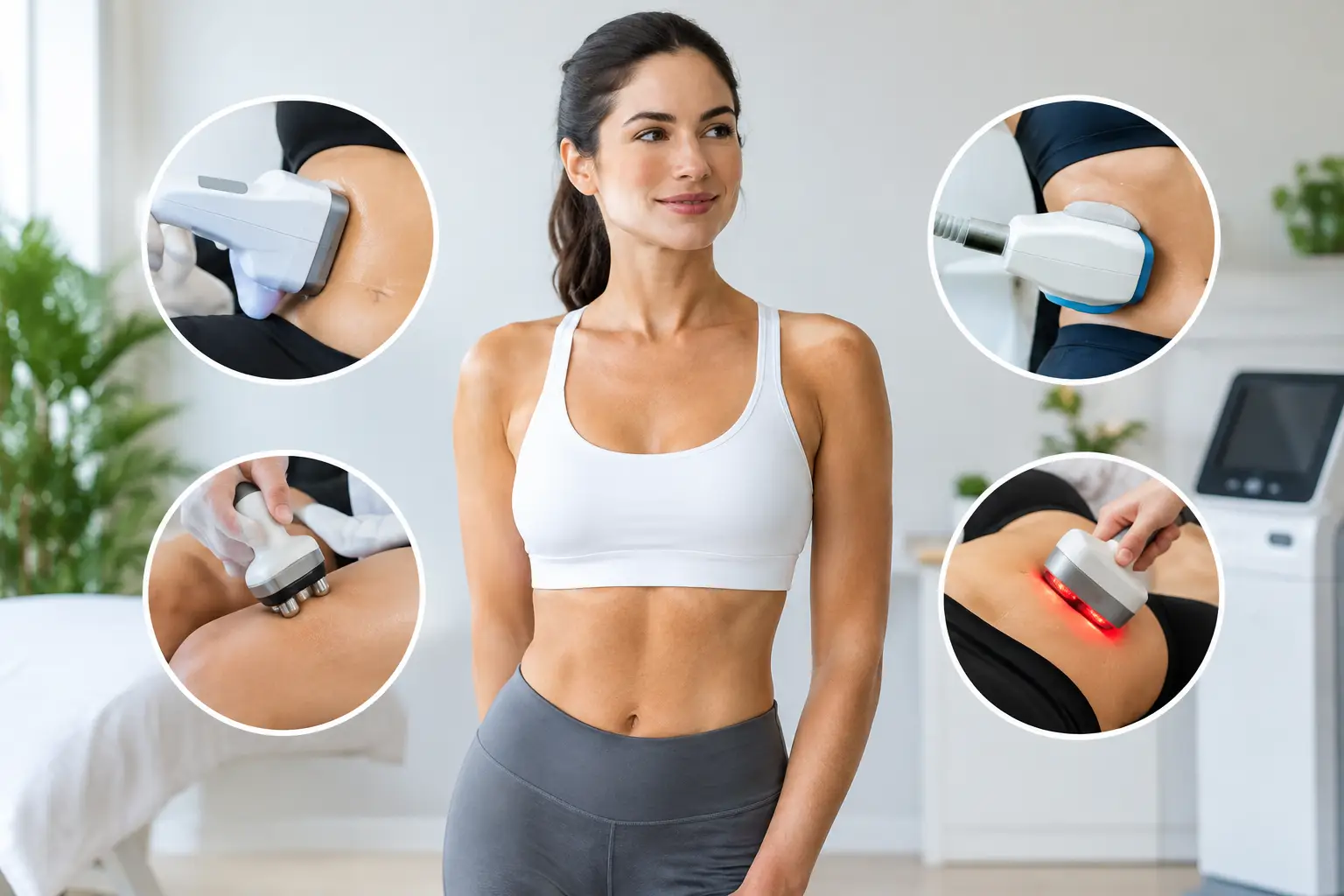
Noninvasive body contouring uses energy-based technology or controlled cooling to affect fat cells beneath the skin. Depending on the device, treatment may use heat, radiofrequency, ultrasound, laser energy, or cold temperatures. Your body gradually processes the affected fat cells over the weeks following treatment.
These treatments are generally designed for people who are near a stable weight and want to refine a specific area. Common treatment areas include the abdomen, flanks, thighs, upper arms, back, and under the chin.
The results are usually subtle to noticeable rather than dramatic. A treatment may help reduce a localized fat pocket, but it will not create the same degree of change as liposuction, correct significant loose skin, or treat obesity. If your main goal is substantial weight reduction, a conversation with a primary care provider about nutrition, activity, metabolic health, and medically appropriate weight-management options is a better starting point.
Best Noninvasive Body Contouring Options for Different Goals
Radiofrequency body contouring
Radiofrequency treatments deliver controlled heat beneath the skin. The goal is to damage fat cells while often stimulating collagen production in the surrounding tissue. This combination can make radiofrequency a practical option for people who want fat reduction with a modest skin-firming benefit.
truSculpt is one example of a radiofrequency-based treatment. Applicators are placed on the target area, and the treatment provider monitors the temperature and your comfort throughout the session. Patients commonly describe a warming sensation similar to a hot-stone massage. There is typically no downtime, so many people return to work, errands, or family responsibilities afterward.
Radiofrequency may be especially appealing for the abdomen, flanks, thighs, and upper arms. Results develop gradually, often over several weeks to a few months. More than one session may be recommended depending on the treatment area and the amount of contouring desired.
Cryolipolysis, or fat freezing
Cryolipolysis works by cooling fat cells to a temperature intended to damage them while protecting the surface of the skin. The best-known treatments in this category use applicators that draw tissue into a cooling cup.
This option can work well for a pinchable fat pocket, such as fullness at the abdomen or sides. During treatment, you may feel strong cold and pulling at first, followed by numbness in the area. Temporary redness, swelling, bruising, tingling, or altered sensation can occur afterward.
Fat-freezing treatments require patience. Visible change is not immediate because the body needs time to clear treated cells. While uncommon, cryolipolysis has a rare risk of paradoxical adipose hyperplasia, in which the treated fat area becomes larger and firmer rather than smaller. A qualified provider should discuss this possibility before treatment.
Laser lipolysis without surgery
Noninvasive laser treatments use laser energy to heat fat cells. Some devices also aim to improve the look of mild skin laxity by encouraging collagen remodeling. Like other nonsurgical approaches, laser body contouring is generally performed in a series or may require repeat sessions based on your goals.
Treatment is usually comfortable, with warmth in the target area. It may be a reasonable consideration for someone who wants a no-incision option and is comfortable waiting for gradual results. However, the technology and protocols vary among devices, so it is worth asking exactly what type of laser is being used and what outcomes are realistic for your body area.
Ultrasound fat reduction
Ultrasound-based contouring uses sound-wave energy to disrupt targeted fat cells. Some devices focus energy at a specific depth, while others treat a broader area. This approach may be used on locations such as the abdomen and flanks.
Ultrasound can be a good fit for some patients, but candidacy depends on the thickness and location of the fat layer. Sensations during treatment vary from warmth to brief discomfort. As with other contouring options, results take time, and staying at a stable weight helps preserve your new contours.
Electromagnetic muscle stimulation
Some body contouring systems focus less on fat reduction and more on muscle stimulation. These treatments trigger powerful muscle contractions intended to strengthen and tone targeted muscles, often in the abdomen, buttocks, arms, or thighs. Certain devices combine muscle stimulation with radiofrequency heat for both muscle and fat-focused benefits.
This can be appealing if your goal is a more toned appearance rather than simply reducing a fat pocket. Still, it is not a substitute for regular strength training. Think of it as a potential complement to an active routine, not a shortcut around one.
How to Choose Among Noninvasive Body Contouring Options
A good consultation should be more than choosing a machine. Your provider should examine the area, ask about your medical history, discuss your goals, and explain what treatment can reasonably accomplish. They should also tell you whether your concern is mainly localized fat, loose skin, muscle tone, or a combination of these issues.
For example, a person with a small amount of abdominal fullness and mild laxity may prefer radiofrequency treatment. Someone with a distinct, pinchable flank area may consider cooling or another fat-reduction approach. If loose skin is the primary issue, fat reduction alone can sometimes make the area look less smooth, so the treatment plan needs extra care.
Ask how many sessions may be needed, when you can expect to see results, how results are measured, and what the total cost includes. It is also reasonable to ask about common side effects, rare complications, and whether the provider has experience treating your specific area.
Safety, Side Effects, and Who Should Wait
Most noninvasive contouring treatments have little to no recovery time, but “noninvasive” does not mean risk-free. Temporary tenderness, swelling, redness, numbness, bruising, or sensitivity are possible. The expected effects depend on the technology used and the body area treated.
You may need to postpone or avoid treatment if you are pregnant, have an active skin infection or open wound in the treatment area, have certain implanted devices, or have medical conditions that make heat or cold exposure unsafe. People with hernias, significant circulation concerns, nerve conditions, or a history of abnormal scarring should discuss those details during consultation.
Honesty about your health history matters. A reputable provider will not rush past it simply to schedule a cosmetic service. At Castle Hills Family Practice, patients can discuss elective wellness goals with a team that understands the value of convenient, attentive care and clear expectations.
Results That Last Start With Stable Habits
The fat cells affected by a successful contouring treatment are gradually eliminated, but remaining fat cells can still enlarge with weight gain. Maintaining your results comes back to the basics: regular movement, strength training, balanced meals, sleep, stress management, and follow-up for health concerns that affect weight or metabolism.
Body contouring can be a confidence-building choice when it fits your goals and your health. Choose a provider who listens carefully, explains the trade-offs, and helps you decide whether treatment is likely to be worth your time and investment. The right plan should feel personal, practical, and comfortably aligned with the life you want to live.