A yearly checkup can feel easy to postpone when work is busy, kids need rides, and everyone seems healthy. But preventive healthcare gives you a scheduled opportunity to look beyond today’s symptoms, identify risks that may not be noticeable yet, and make practical decisions that support your health over time.
For individuals and families in San Antonio, prevention is not about adding unnecessary appointments to an already full calendar. It is about having a trusted primary care team that helps you stay current on the care that makes sense for your age, medical history, lifestyle, and family history.
What Preventive Healthcare Includes
Preventive care focuses on reducing the likelihood of illness, finding health concerns early, and helping patients manage risks before they become more serious. A preventive visit is different from an appointment for a sore throat, back pain, or a sudden rash. Both matter, but preventive visits create space for a broader conversation about your long-term health.
An annual physical often includes a review of your medical history, medications, allergies, vital signs, weight, blood pressure, and lifestyle habits. Your provider may discuss sleep, nutrition, physical activity, stress, tobacco or alcohol use, and mental health. These conversations are not meant to be judgmental. They help your care team understand what is realistic for you and where support may be helpful.
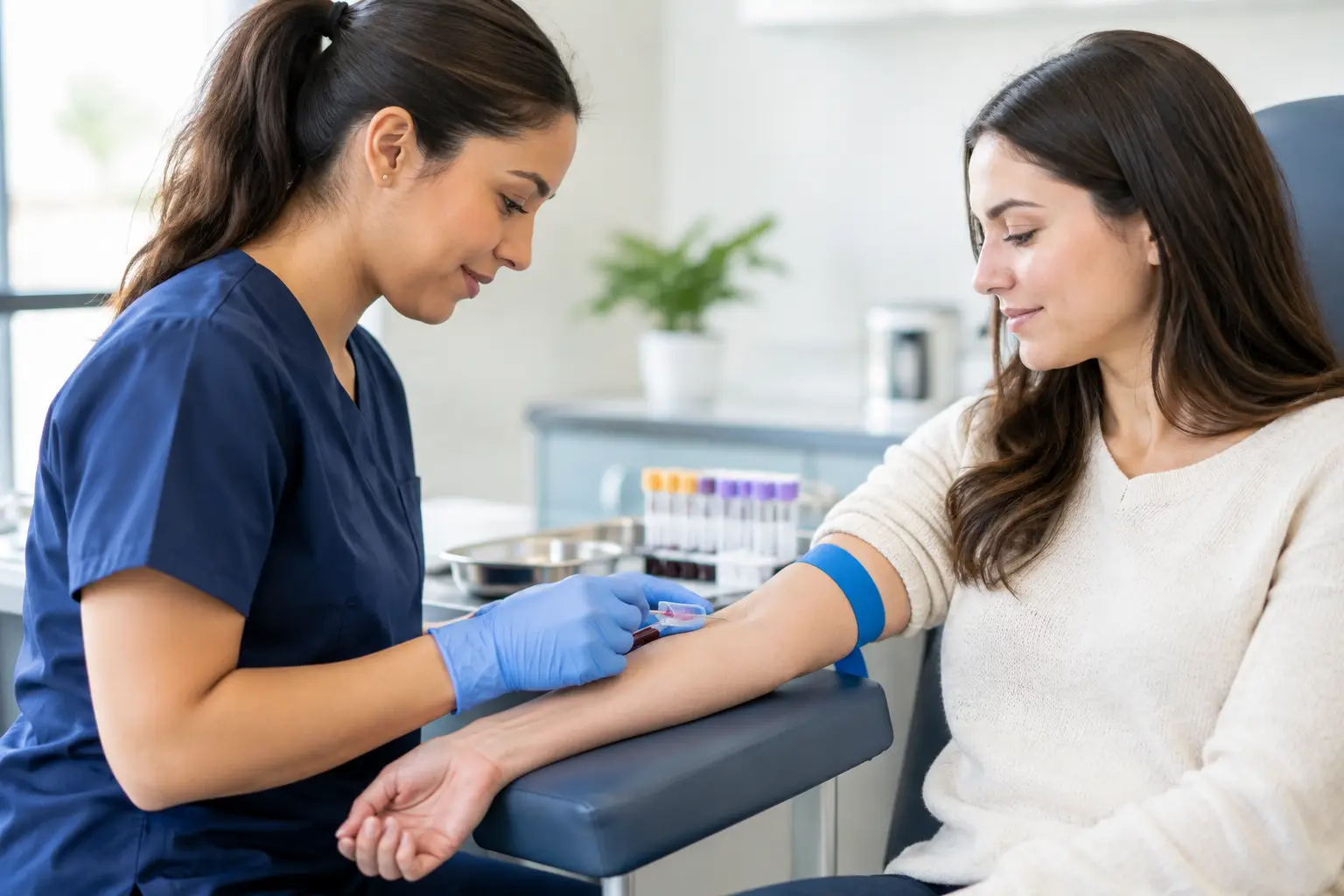
Depending on your needs, preventive healthcare may also include routine blood work, immunizations, age-appropriate cancer screenings, cholesterol checks, diabetes screening, and cardiovascular risk assessment. Children and teens have their own preventive needs, including well-child visits, developmental discussions, sports physicals, and vaccines.
The right plan is personal. A healthy 28-year-old with no ongoing conditions will not need the same screening schedule as a 62-year-old with high blood pressure or a parent with a strong family history of diabetes. Your primary care provider can help sort through those differences without making the process feel overwhelming.
Why Early Detection Matters
Many common health conditions develop quietly. High blood pressure may not cause obvious symptoms. Elevated cholesterol can go unnoticed for years. Prediabetes often has no clear warning signs, and some cancers are more treatable when detected early through recommended screening.
Finding a concern early does not always mean a serious diagnosis. Sometimes it means confirming that a number is slightly outside the ideal range and making a manageable change before medication or more intensive treatment is needed. Other times, it means following up promptly, ordering additional testing, or connecting you with the appropriate specialist.
That is why routine care has real value even when you feel well. A preventive visit establishes a baseline. When your provider knows what is normal for you, it is easier to recognize a meaningful change later.
Preventive care also supports people who already have a chronic condition. If you live with diabetes, asthma, high cholesterol, thyroid disease, or high blood pressure, regular follow-up can help you track progress, review treatment options, and address small concerns before they interrupt your day-to-day life.
Screenings and Vaccines Are Not One-Size-Fits-All
It can be tempting to think of preventive care as a standard checklist. In reality, timing matters. Recommendations can change based on age, sex, pregnancy status, family history, prior results, occupation, travel plans, and personal risk factors.
For example, a patient with a parent or sibling who developed colon cancer at a younger age may need a different screening conversation than someone without that history. A person with high blood pressure, excess weight, or a history of gestational diabetes may benefit from earlier or more frequent diabetes screening. Patients who smoke or used to smoke may have additional preventive discussions with their provider.
Vaccines are another important part of staying well. Flu, COVID-19, tetanus, shingles, pneumonia, and other immunizations can help protect patients from diseases that may lead to missed work, serious complications, or hospitalization. Children and adolescents also need to stay on schedule with recommended vaccines as they grow.
Your provider can review what you have already received, identify what may be due, and answer questions about benefits, side effects, or timing. If you are unsure of your vaccine history, it is still worth bringing it up. Your care team can help you determine the next step.
Preparing for Your Annual Physical
A little preparation can make a preventive appointment more useful. Before your visit, consider any changes you have noticed in your health, even if they seem minor. Ongoing fatigue, frequent headaches, sleep changes, heartburn, mood changes, or new pain may be worth discussing.
Bring an updated list of medications, vitamins, and supplements, including the dose and how often you take them. If you have received care elsewhere, remember recent tests, hospital visits, surgeries, or new diagnoses. Family health history is especially helpful. Let your provider know if close relatives have had heart disease, stroke, diabetes, cancer, or other significant conditions.
It also helps to arrive with questions. You may want to ask whether you are due for blood work, which screenings apply to you, whether your blood pressure is in a healthy range, or what changes would make the greatest difference for your overall health. There is no need to have the perfect question or know the medical terminology. Clear, honest information is enough to start a productive conversation.
Prevention Has to Work in Real Life
A health plan only helps when it fits your life. A provider may recommend more movement, but the useful next question is what kind of movement works with your schedule, mobility, and responsibilities. Nutrition changes may look different for a busy parent, a shift worker, or an older adult on a fixed income.
Small, consistent steps are often more sustainable than dramatic changes. That could mean taking a brief walk after dinner, replacing one sugary drink a day, setting a regular bedtime, checking your blood pressure as directed, or finally scheduling a screening you have delayed. Progress is rarely all-or-nothing.
Preventive care also means knowing when not to wait. Chest pain, trouble breathing, signs of stroke, severe allergic reactions, or other emergencies need immediate emergency care. For non-emergency concerns that cannot wait for a routine appointment, timely primary care or same-day care may help you get guidance without automatically turning to the emergency room.
Building a Relationship With a Primary Care Team
Continuity is one of the most practical benefits of regular primary care. Over time, your provider gets to know your health goals, past test results, medication response, and concerns. You spend less time repeating your history and more time focusing on what has changed.
For families, having a practice that can handle annual physicals, immunizations, blood draws, chronic disease management, and many everyday concerns in one setting can reduce friction. It can also make it easier to follow through when a provider recommends a test, follow-up visit, or lifestyle adjustment.
At Castle Hills Family Practice, patients can work with a primary care team that emphasizes thorough, approachable care and convenient access for routine and unexpected needs. The goal is not to make healthcare more complicated. It is to make it easier to stay connected to it.
When Should You Schedule a Preventive Visit?
Most adults benefit from an annual physical, though the services discussed during that visit will vary. Children typically need well visits more often at certain stages of development. If you have a chronic health condition, take regular medications, have new symptoms, or have been told to monitor a specific risk, your provider may recommend additional appointments.
If it has been more than a year since you had a checkup, that is a good reason to schedule one. You do not need to wait for a health scare to reconnect with care. A preventive visit is a practical place to ask questions, update your plan, and take care of the issues that are easy to put off.
Your health does not have to demand your attention before it deserves your attention. Setting aside time for preventive care now can give you clearer answers, more options, and greater confidence in the everyday choices ahead.