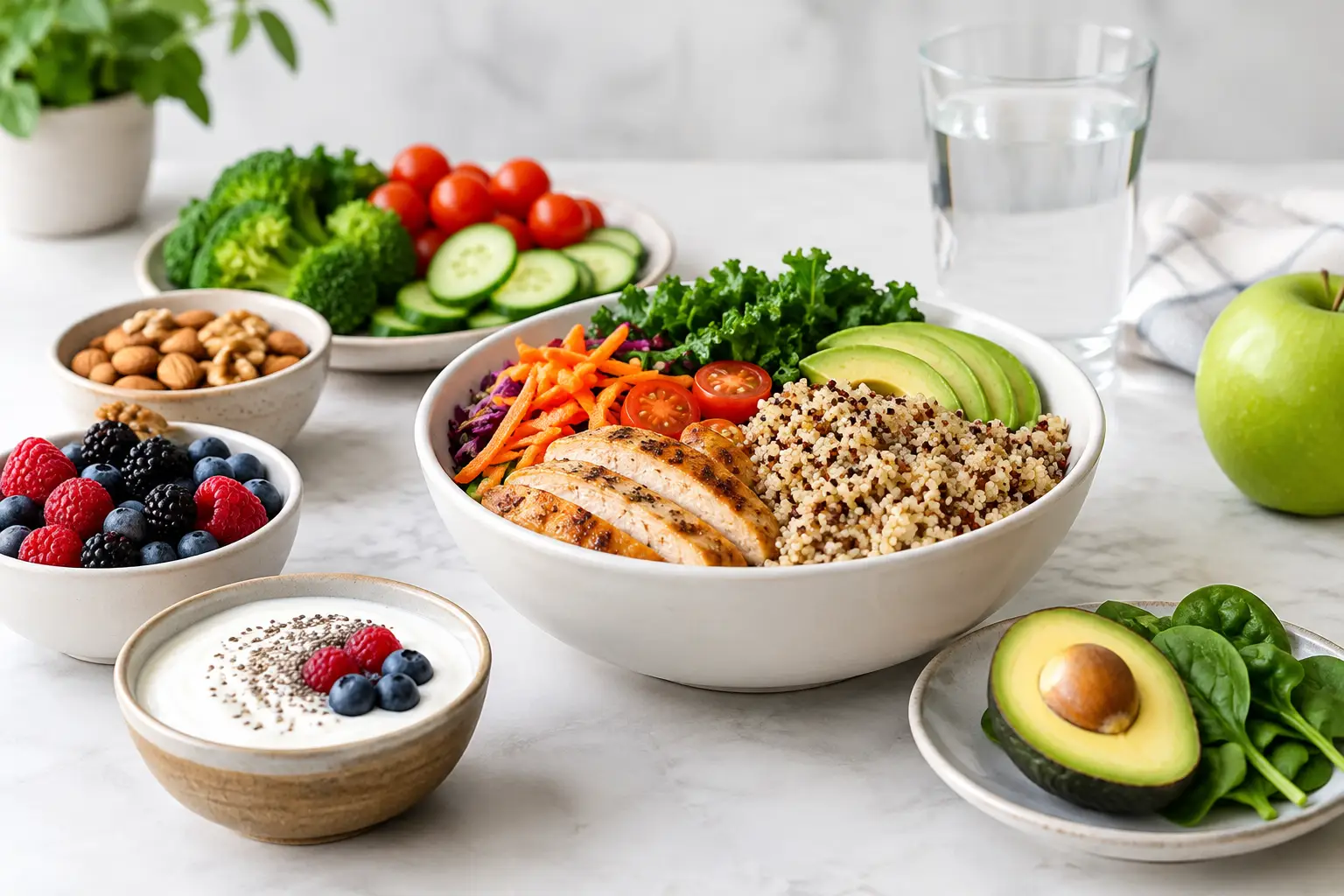
A midmorning energy crash, shaky feeling before lunch, or intense craving for something sweet can make a busy day feel much harder. While many factors affect blood sugar, choosing the best foods for stable glucose can help you build meals that keep you full, support more consistent energy, and make diabetes management feel more manageable.
You do not need a perfect diet or a cabinet full of specialty products. The most useful choices are often familiar foods: beans, vegetables, eggs, fish, plain yogurt, whole grains, nuts, and fruit. The goal is not to avoid carbohydrates altogether. It is to pair carbohydrates with protein, fiber, and healthy fats so glucose enters the bloodstream more gradually.
Why Meal Composition Matters for Glucose
When you eat carbohydrates, your body breaks them down into glucose for energy. Foods like sugary drinks, candy, pastries, and refined snack foods are digested quickly. They can raise blood sugar fast, especially when eaten alone or in large portions.
Fiber, protein, and fat slow digestion and can reduce the size of a glucose spike after eating. That is why a bowl of sweetened cereal may leave you hungry an hour later, while eggs with vegetables and a slice of whole-grain toast may keep you satisfied through the morning.
There is no single meal plan that works for every person. Your activity level, medications, health conditions, sleep, stress, and usual eating pattern all matter. Still, building meals around minimally processed foods is a reliable place to start.
Best Foods for Stable Glucose
Nonstarchy vegetables
Vegetables such as broccoli, cauliflower, spinach, green beans, bell peppers, zucchini, asparagus, mushrooms, cucumbers, and leafy salads provide fiber and nutrients with relatively few carbohydrates. They also add volume to a meal, which can help you feel satisfied without relying on a large serving of starch.
Fresh, frozen, and low-sodium canned vegetables can all fit. Frozen vegetables are often a practical choice for working families because they are quick to prepare and do not spoil as quickly. Watch sauces and seasonings, since cheese sauces, sweet glazes, and creamy dressings can add more sugar, sodium, or calories than expected.
Beans, lentils, and peas
Black beans, pinto beans, chickpeas, lentils, and split peas are especially helpful because they provide both carbohydrates and plant-based protein, along with substantial fiber. They tend to be more filling than refined grains and can support steadier glucose after a meal.
Beans work well in tacos, soups, salads, grain bowls, and breakfast dishes. If you use canned beans, rinsing them can lower the sodium content. Portion size still matters, particularly if you are counting carbohydrates, but beans are generally a more supportive choice than a large serving of white rice or chips.
Protein-rich foods
Protein does not raise blood glucose the way carbohydrates do, and it helps make meals more satisfying. Good options include eggs, chicken, turkey, fish, tofu, cottage cheese, plain Greek yogurt, and lean cuts of beef or pork.
Protein works best as part of a balanced plate rather than as the only focus. For example, grilled chicken with roasted vegetables and beans gives you protein, fiber, and carbohydrates in a more balanced combination than chicken with fries. For breakfast, plain Greek yogurt topped with berries and nuts is often a better choice than flavored yogurt with added sugar.
Whole grains in realistic portions
Whole grains can provide fiber and nutrients, but they are still carbohydrate-containing foods. Oats, quinoa, brown rice, barley, whole-grain bread, and corn tortillas may be good choices when portions are appropriate for your needs.
A practical approach is to fill about one-quarter of your plate with a high-fiber carbohydrate, one-quarter with protein, and half with nonstarchy vegetables. That may look like salmon, roasted broccoli, and a modest serving of brown rice. If brown rice is not your favorite, you do not have to force it. A smaller portion of another carbohydrate paired with protein and vegetables can still be a meaningful improvement.
Fruit, especially whole fruit
Fruit contains natural sugar, but it also provides water, fiber, vitamins, and antioxidants. Berries, apples, pears, oranges, peaches, and grapefruit are common choices that can fit into a glucose-conscious eating pattern.
The key difference is whole fruit versus juice. An orange contains fiber and takes time to eat. Orange juice is easier to drink quickly and can raise glucose more rapidly, even when it is 100% juice. Pair fruit with protein or fat for a more filling snack, such as an apple with peanut butter or berries with plain yogurt.
Nuts, seeds, and healthy fats
Almonds, walnuts, pistachios, peanuts, chia seeds, flaxseed, avocado, and olive oil can add flavor and help meals feel more satisfying. Their fats do not cause a rapid rise in blood sugar, and many also provide protein and fiber.
Because nuts and seeds are calorie-dense, a small handful is usually enough. Choose unsweetened varieties when possible. Honey-roasted nuts, sweetened trail mixes, and granola can contain more added sugar than their health-focused labels suggest.
Build a Plate That Works on a Busy Day
Stable eating habits do not require elaborate recipes. A simple breakfast might be scrambled eggs with spinach, a corn tortilla, and salsa. For lunch, try a salad with chicken, beans, avocado, and a vinaigrette rather than a sugary dressing. Dinner can be grilled fish or chicken with vegetables and a small serving of beans, sweet potato, or whole grain.
Snacks can be useful when there is a long gap between meals, but they are not required for everyone. If you need one, choose something with protein and fiber: cheese with an apple, vegetables with hummus, plain yogurt with berries, or a handful of nuts. A snack made mostly of crackers, candy, or sweetened drinks is less likely to keep hunger away.
Foods to Limit Without Calling Them Off-Limits
Most people do better with flexible habits than strict food rules. Sugary sodas, sweet tea, energy drinks, candy, baked goods, white bread, chips, and heavily sweetened cereals can lead to quick glucose rises because they are low in fiber and easy to overeat. They do not need to be permanent “never” foods, but making them everyday staples can work against your goals.
Start with the change likely to make the biggest difference. For some people, that is replacing sweet tea or soda with water, sparkling water, or unsweetened tea. For others, it is eating breakfast consistently or adding vegetables and protein to lunch. Small changes repeated most days are more useful than a short-lived overhaul.
When to Ask for Medical Guidance
Food choices are one part of blood sugar care, not a substitute for medical treatment. If you have diabetes, prediabetes, frequent symptoms of low blood sugar, kidney disease, digestive conditions, or take insulin or other glucose-lowering medication, your meal plan may need to be more individualized.
Pay attention to patterns. If home glucose readings are often outside the range your clinician recommended, or you experience frequent thirst, urination, blurred vision, unexplained fatigue, shakiness, or confusion, contact your primary care provider. Medication adjustments, lab work, and nutrition guidance may all be part of the solution.
Castle Hills Family Practice can help patients in the San Antonio area review blood sugar concerns, discuss practical nutrition changes, and create a care plan that fits real family life. A good next step is simply choosing one meal this week to make more balanced, then noticing how you feel afterward.