A racing heartbeat after climbing stairs, new shortness of breath, dizziness, or chest discomfort can leave you wondering whether it is stress, aging, a medication effect, or something that deserves prompt attention. A cardiovascular testing clinic helps turn those questions into useful medical information, often without requiring a separate trip to a specialty office.
For many San Antonio families, heart testing is not about receiving a frightening diagnosis. It is about getting a clearer picture of symptoms, identifying risk factors early, and creating a practical plan with a provider who knows your health history. Testing can also provide reassurance when results are normal, while still helping your provider look for other possible causes of how you feel.
When a Cardiovascular Testing Clinic May Help
Cardiovascular testing may be recommended when symptoms, medical history, a physical exam, or routine screening suggest that a closer look at heart health would be helpful. Your provider will not order the same tests for every patient. The right approach depends on your symptoms, age, family history, current medications, and conditions such as high blood pressure, diabetes, high cholesterol, or thyroid disease.
You may benefit from testing if you have chest pressure or pain, unusual fatigue, palpitations, fainting or near-fainting, swelling in the legs, shortness of breath, or a noticeable change in exercise tolerance. Some symptoms are more urgent than others. New, severe, or persistent chest pain, difficulty breathing, fainting, or symptoms that occur with sweating, nausea, or pain spreading to the arm, back, neck, or jaw require emergency evaluation. Call 911 rather than waiting for an office appointment.
Testing can also be useful before symptoms appear. Adults with a strong family history of early heart disease, people managing diabetes or hypertension, and patients with elevated cholesterol may need regular monitoring as part of preventive care. The goal is not to test for the sake of testing. It is to use the right information at the right time to protect long-term health.
What Happens During Cardiovascular Testing
A visit typically begins with a conversation. Your provider will ask when symptoms started, what brings them on, how long they last, and what makes them better or worse. Details matter. For example, a skipped beat that lasts a second and occurs during a stressful week is evaluated differently than a sustained fast heartbeat accompanied by dizziness.
Your medical history also guides care. Be prepared to discuss medications and supplements, tobacco or nicotine use, activity level, sleep, family history, and previous heart-related testing. Your provider may check blood pressure, heart rate, oxygen level, weight, and circulation during the exam. Blood work may be recommended to evaluate cholesterol, blood sugar, anemia, thyroid function, kidney function, or other factors that can affect the heart and blood vessels.
Electrocardiogram (EKG or ECG)
An EKG records the heart’s electrical activity using small sensors placed on the chest and limbs. It is quick, painless, and commonly performed in the office. An EKG can help identify an irregular rhythm, signs of a prior heart event, certain conduction problems, or changes that may require more evaluation.
A normal EKG is reassuring, but it does not rule out every heart concern. Some rhythm changes come and go, and some conditions require different testing. That is why your symptoms and overall health history remain just as important as a single test result.
Monitoring and Additional Testing
If palpitations or dizziness happen only occasionally, your provider may recommend a wearable heart monitor. This records heart rhythm over a longer period, improving the chance of capturing what is happening during symptoms. Depending on your needs, your provider may also discuss tests that evaluate heart structure, blood flow, exercise tolerance, or circulation in the legs.
Not every test is performed in a primary care office, and that is appropriate. When advanced imaging, a stress test, or a cardiology consultation is needed, your primary care provider can help coordinate the next step and ensure the specialist has the relevant records. Starting locally still matters because it can reduce delays and keep your care organized.
Why In-Office Testing Can Make Care Easier
When heart-related concerns arise, convenience should never replace careful medicine. But convenient access can make it easier to seek care early rather than putting off an appointment. A practice that can evaluate symptoms, perform appropriate testing, order blood work, and discuss results in the same setting reduces the friction of managing an important health concern.
At Castle Hills Family Practice, cardiovascular testing is part of a broader primary care approach. That means your provider can consider heart health alongside blood pressure, diabetes, medications, anxiety, sleep, diet, family history, and other factors that may be connected to your symptoms. Instead of treating one test result in isolation, the focus is on the full picture.
This approach is especially useful for busy adults and parents balancing work, school, and family responsibilities. Same-day availability, weekend appointments, and multiple San Antonio-area locations can make it more realistic to address a concern before it becomes harder to manage. If you need specialty care, your primary care team can help you move forward with a clear reason for the referral rather than leaving you to sort through the process alone.
Preparing for Your Appointment
Most cardiovascular testing appointments require very little preparation. Wear comfortable clothing, especially if an EKG or exercise-related evaluation may be part of the visit. Bring an updated list of medications, including over-the-counter products and supplements. If you have records from an emergency room, urgent care visit, smartwatch alert, previous EKG, or recent laboratory testing, those details may help your provider make a more informed decision.
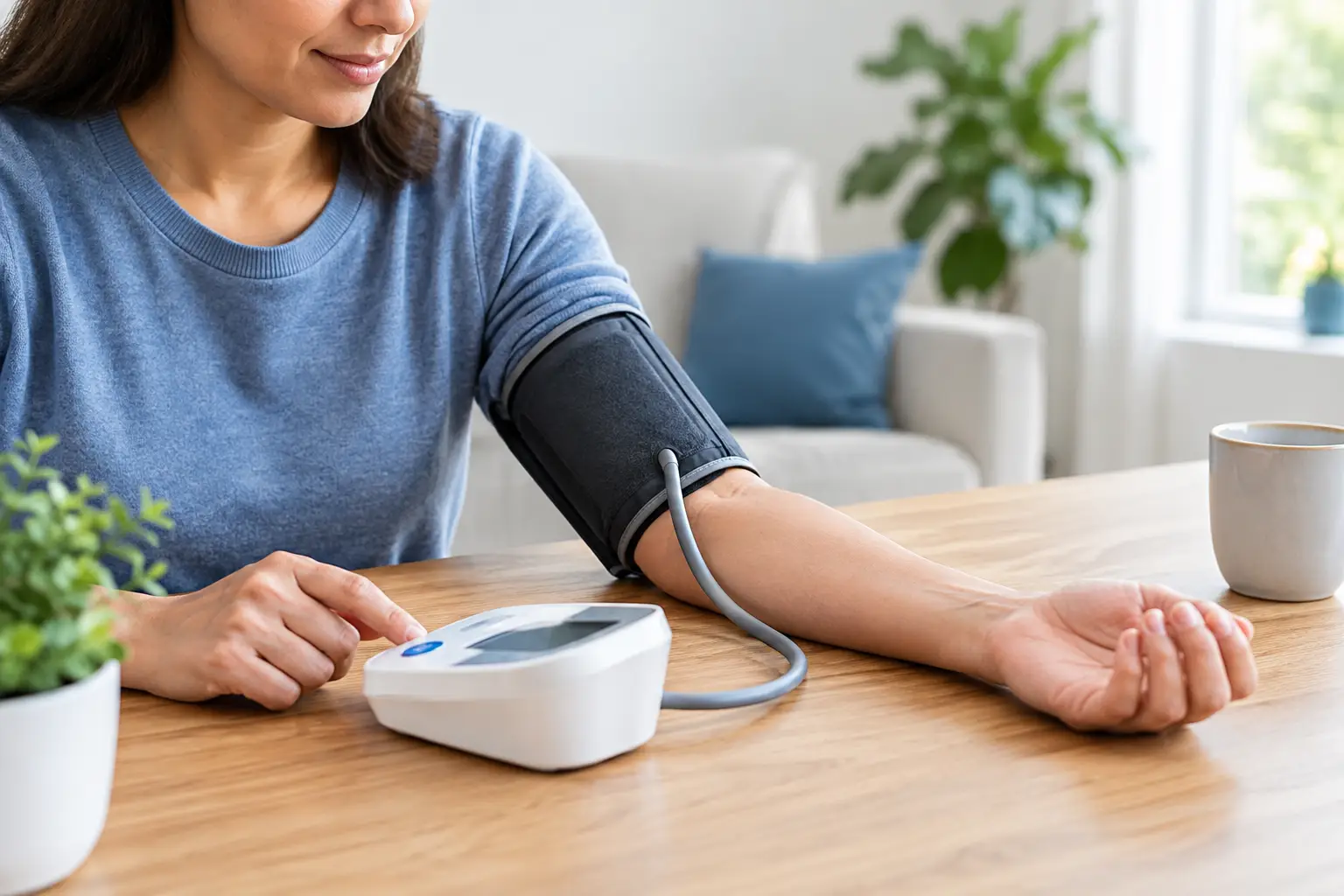
It is also helpful to write down what you have noticed. Note when symptoms happen, how long they last, what you were doing at the time, and whether you had chest pain, shortness of breath, sweating, nausea, or lightheadedness. If you track blood pressure or pulse at home, bring those readings. A wearable device can offer useful clues, but it does not replace clinical testing or a medical assessment.
Ask whether you should continue your usual medications before the visit. In many cases, the answer is yes, but some tests have specific instructions. Avoid making medication changes on your own simply because you are scheduled for testing.
Understanding Results Without Jumping to Conclusions
Heart testing results need context. An abnormal result does not automatically mean you have serious heart disease, and a normal result does not mean symptoms should be ignored if they continue. Your provider will explain what the findings mean for you, whether the result requires urgent action, and what follow-up is appropriate.
Sometimes the next step is as simple as monitoring symptoms, improving blood pressure control, adjusting a medication, or scheduling follow-up blood work. In other situations, a referral to cardiology is the safest choice. The trade-off is that additional testing can take more time, but it may provide answers that a brief office test cannot. A thoughtful plan balances the need for timely answers with the need to avoid unnecessary testing.
Preventive recommendations may also be part of the conversation. These can include managing cholesterol and blood pressure, increasing physical activity at a safe pace, improving sleep, reducing tobacco use, and building eating habits that support cardiovascular health. Small changes are more likely to last when they fit your daily routine and are connected to specific goals.
Do Not Wait on Concerning Symptoms
A cardiovascular testing clinic is a valuable resource for non-emergency symptoms, preventive screening, and follow-up care. It is not a substitute for emergency treatment. If you believe you may be having a heart attack or stroke, or you have severe symptoms that are worsening, call 911 immediately.
For concerns that are not emergent, scheduling an evaluation can replace uncertainty with a plan. Listening to your body, sharing changes early, and following through with recommended care are practical ways to support your heart health and keep everyday life moving forward.