A blood test can be a quick part of an annual physical, a check on a chronic condition, or a way to find answers when you have not been feeling like yourself. Knowing how to prepare for blood work helps your provider get the clearest possible picture of your health and can prevent the inconvenience of needing to repeat a test.
Preparation is usually simple, but the right instructions depend on the specific labs ordered. A cholesterol panel may require different preparation than a thyroid test, diabetes monitoring, or routine complete blood count. When your instructions differ from general advice, always follow the directions from the provider or lab collecting your sample.
Start With the Instructions for Your Specific Test
Before your appointment, confirm what tests have been ordered and whether you need to fast. If you booked through a primary care office, check your appointment reminder or call the office if anything is unclear. A few minutes of confirmation can save you from arriving after coffee or breakfast when your test requires fasting.
Common blood tests that may require fasting include certain lipid panels, glucose tests, and metabolic testing. Fasting means avoiding food and most beverages for a specified period, often 8 to 12 hours. It does not mean you should skip needed medications or go without water unless your provider specifically tells you to do so.
Not every blood test requires fasting. Many routine tests can be completed at any time of day. Do not fast “just in case” if you have diabetes, are pregnant, have a history of fainting, or have another condition that makes fasting difficult. Ask first, since unnecessarily missing meals can make you feel unwell.
If You Need to Fast, Keep It Simple
For most fasting blood work, plain water is allowed and encouraged. Good hydration can make veins easier to access and may help the blood draw go more smoothly. Drink water as you normally would the evening before and the morning of your appointment, unless you have been given fluid restrictions for a medical condition.
Avoid food during the fasting window, including small snacks, candy, mints, and gum. These can affect blood sugar and other results. Coffee, tea, juice, soda, energy drinks, and alcohol should also be avoided unless your clinician has told you otherwise. Even black coffee may influence certain results or make you feel more anxious during the draw.
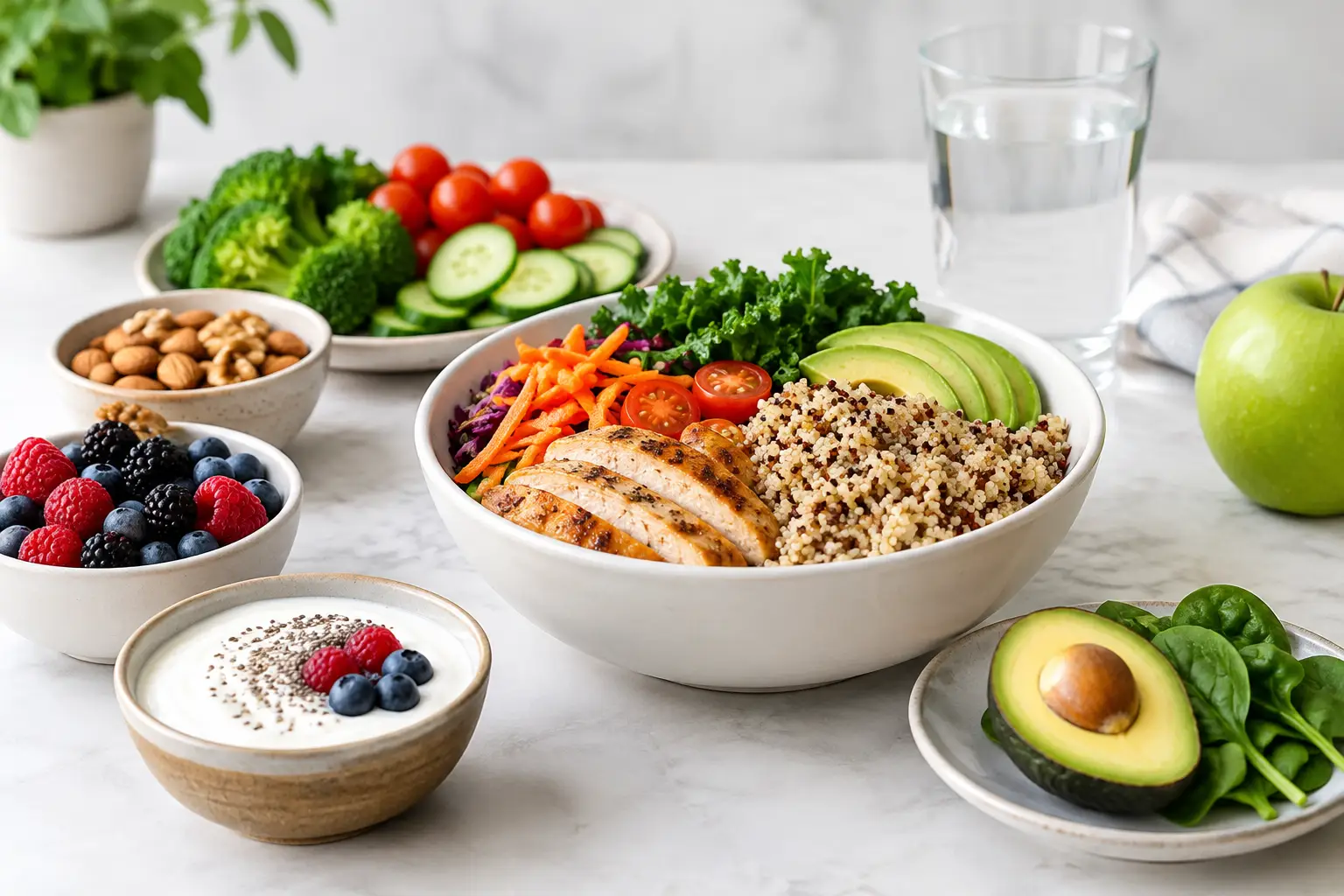
Schedule a morning appointment when possible. Sleeping through much of the fasting period makes the process easier, and you can eat shortly after your blood is collected. Bring a snack for afterward if you tend to feel lightheaded when you have not eaten.
What About Medications and Supplements?
Continue taking prescription medications as directed unless the clinician who ordered your labs tells you to hold them. Never stop a medication on your own to prepare for a blood test. This is especially important for medicines used to manage blood pressure, heart conditions, seizures, diabetes, thyroid disease, and mental health concerns.
Some medications and supplements can affect lab values. Biotin, found in many hair, skin, and nail products, can interfere with certain thyroid, hormone, and cardiac tests. Your provider may ask you to stop biotin for a short time before testing. Iron supplements, vitamins, herbal products, and over-the-counter pain relievers may also matter depending on the test.
Bring an updated list of everything you take, including doses and how often you take them. If you are unsure whether to take a morning medicine while fasting, contact your provider before the appointment. A medication list gives your care team valuable context when reviewing results.
The Day Before Blood Work
Try to keep the day before your test fairly typical. Major changes in diet, intense exercise, dehydration, and alcohol can temporarily affect some lab values. You do not need to eat a perfect meal or avoid every activity, but consistency helps your results reflect your usual health.
Avoid heavy alcohol use for at least 24 hours before testing unless your provider gives different guidance. Alcohol can influence blood sugar, triglycerides, liver-related tests, and hydration. If alcohol use is part of what your provider is evaluating, be honest about it rather than trying to change your habits only for the test.
A hard workout can also shift levels of enzymes, blood sugar, and other markers for a short time. Light activity is generally fine, but consider saving a strenuous new workout, long run, or heavy lifting session until after your blood draw. This is particularly helpful if your provider is checking muscle enzymes, liver function, or metabolic markers.
Get a reasonable night of sleep if you can. Poor sleep and acute stress do not invalidate most routine labs, but they can affect blood pressure, blood sugar, and how you feel during the appointment. If you are sick, have a fever, or are recovering from an infection, let your provider know. They can advise whether to keep the appointment or wait until you are feeling better.
Make the Blood Draw More Comfortable
Wear a shirt with sleeves that can easily be rolled above the elbow. Arrive a few minutes early, especially if you need to complete paperwork or verify insurance. Bring your photo ID, insurance information, lab order if you were given one, and your medication list.
Tell the person drawing your blood if you have difficult-to-find veins, a history of fainting, a bleeding disorder, or an allergy to latex or adhesive. These are common concerns, and sharing them early helps the team make simple adjustments. If needles make you nervous, it is okay to say so. Looking away, taking slow breaths, and remaining seated or reclined can help.
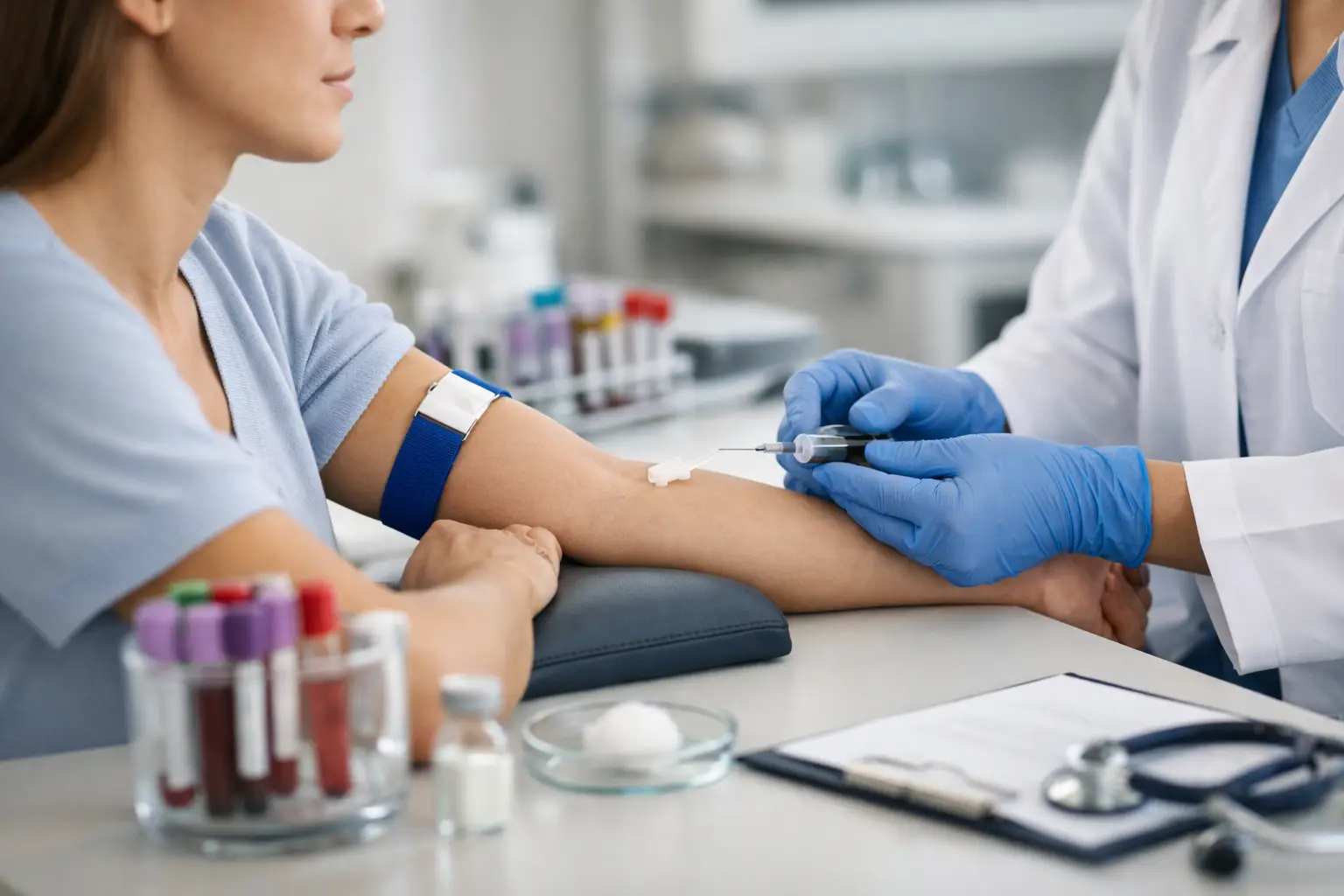
During the draw, keep your arm relaxed and follow the phlebotomist’s instructions. Tensing up can make the process more difficult. Most blood draws take only a few minutes. Afterward, keep pressure on the site for the time recommended, particularly if you take blood thinners or bruise easily.
After Your Blood Work Is Finished
Once your sample is collected, you can usually return to your normal routine. If you were fasting, eat a balanced meal or snack and drink water. Keep the bandage on for a short time, and avoid heavy lifting with that arm for a few hours if the site feels sore.
A small bruise or mild tenderness can happen and usually improves on its own. Contact your medical office if you have persistent bleeding, increasing swelling, severe pain, numbness, or signs of infection at the draw site.
Results may be available quickly for some tests and take longer for others. A number outside the reference range is not always a diagnosis. Results are interpreted alongside your symptoms, medical history, medications, age, and prior lab work. Your provider may recommend repeat testing, lifestyle changes, medication adjustments, or no action at all.
Special Situations That Deserve a Call First
Preparation may need to be adjusted if you have diabetes, are pregnant, take insulin or glucose-lowering medicine, use blood thinners, receive dialysis, or have been instructed to limit fluids. Children, older adults, and people with a history of fainting may also benefit from a more tailored plan.
If you are having blood work for a medication level, hormone test, or test that must be drawn at a particular time of day, timing can be just as important as fasting. Ask whether your test should happen before a medication dose, after a dose, or at a specific hour.
At Castle Hills Family Practice, your care team can help clarify preparation instructions before an in-office blood draw or lab appointment. The goal is not to make testing complicated. It is to make sure the results give your provider useful information for the next step in your care.
If you are uncertain about one detail, call before you go. The best preparation is following the plan designed for your specific health needs, then giving yourself a calm, well-hydrated morning to get it done.